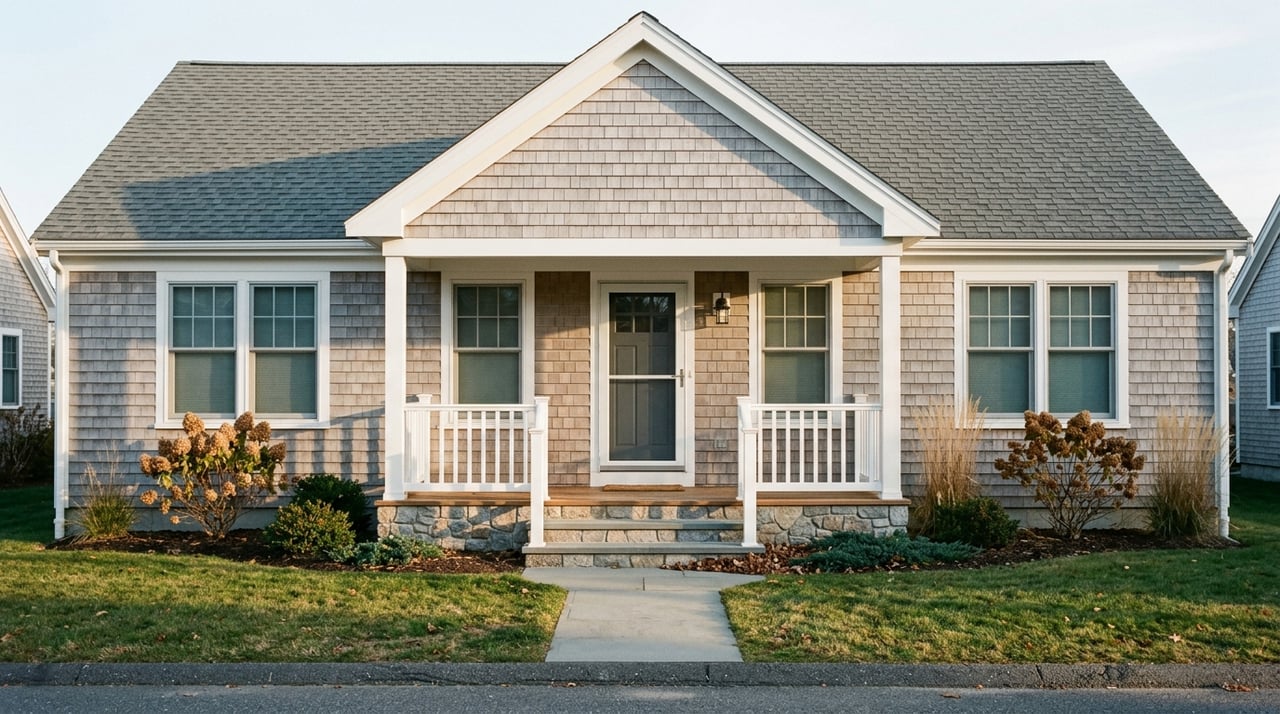
York Beach Off Season Living From a Homeowner’s View
May 7, 2026
May 7, 2026
If you only know York Beach in July, the off-season can feel like a surprise. The crowds thin, the pace changes, and the shoreline starts to feel less like a resort backdrop and more like part of everyday life. If you are thinking about owning a home here, or already do, it helps to understand what York Beach is actually like once summer fades. Let’s dive in.
York is not just a summer destination anymore. The town describes itself as a year-round vacation destination, and its zoning ordinance points to a growing year-round business sector even as tourism and seasonal housing remain important.
That distinction matters when you picture daily life as a homeowner. In peak season, Long Sands Beach draws roughly 3,000 to 5,000 visitors per day from mid-June to Labor Day, and Short Sands centers around shops, restaurants, and entertainment. Outside that window, the same area can feel more like a coastal neighborhood where your routines revolve around walks, errands, and weather rather than visitor traffic.
The biggest shift is not that York Beach goes quiet in a dramatic way. It is that the energy becomes more local. You still have the ocean, the views, and the rhythm of a beach town, but the pace is calmer and easier to absorb.
For many homeowners, that slower rhythm is part of the appeal. You notice the sound of the surf more than the buzz of summer activity. You start to experience York Beach less as a destination and more as a place to live.
One of the most helpful things to know is that York Beach does keep some steady anchors through the off-season. That continuity can make a real difference if you are using your home regularly or living here year-round.
A few notable examples include:
This mix gives you practical places to go even after the beach-centered summer season winds down. It also supports the sense that York remains active, even when it feels quieter.
At the same time, much of the visitor-focused beach infrastructure follows a seasonal schedule. That is important to understand if your image of York Beach is tied to summer convenience.
For example, Sohier Park’s restrooms and gift shop are open only from early May to mid-October. Restrooms at Long Sands operate from the first weekend in May through Columbus Day, while Short Sands restrooms run from May 1 through Columbus Day weekend. York Ocean Rescue lifeguards are also seasonal.
That does not make the off-season less appealing. It simply means your experience becomes less service-driven and more residential. Homeowners often appreciate that shift, but it helps to go in with clear expectations.
The off-season in York Beach lends itself to simple, repeatable routines. Instead of planning around beach crowds and summer parking, you are more likely to build your days around scenery, outdoor time, and local stops.
Sohier Park is open all year, which makes Nubble Lighthouse one of the most dependable places to visit in every season. It is a classic stop in winter and the shoulder seasons, though overnight parking is not allowed. Even a short visit can feel restorative when the weather turns crisp and clear.
Fishermen’s Walk connects Sewall’s Bridge to Harbor Beach and offers another scenic option for getting outside. Harbor Beach itself has a distinctly local feel, with resident-oriented parking and a high local population. That smaller-scale setting often appeals to homeowners who want access to the water without the intensity of the busiest summer areas.
Beyond the immediate shoreline, Mount Agamenticus trails are open year-round from dawn to dusk. Wiggly Bridge and Steedman Woods add more protected outdoor space along the York River, which is also recognized as a National Wild and Scenic River. If conditions cooperate, Mackey Skate Park even offers free public ice skating when weather allows.
One of the best ways to think about off-season York Beach is that the lifestyle changes, but it does not disappear. Summer is built around beachgoing and visitors. The off-season is built around views, fresh air, local institutions, and the comfort of familiar places.
That can be especially meaningful if you are considering a second home that you will use outside peak months. You may find that the value is not only in warm-weather weeks, but also in fall mornings, winter ocean light, and quiet spring weekends before the crowds return.
For year-round owners, that perspective can shape how you use the home itself. The house becomes more than a seasonal landing place. It becomes part of a broader pattern of daily living in a coastal town that still functions after Labor Day.
Practical details matter just as much as atmosphere. York’s parking rules reflect the town’s seasonal rhythm, and homeowners should know how that affects access during different times of year.
Beach parking stickers are required from April 15 through October 31. Resident and property-owner permits are available, and enforcement runs seven days a week from 8:00 a.m. to 10:00 p.m. during that period. From a homeowner’s perspective, that setup points to a beach corridor that is generally less regulated once the main season ends.
That seasonal difference can change how easy it feels to pop over for a walk or an ocean view. In summer, logistics matter more. In the off-season, spontaneous outings often become much simpler.
Owning near the coast in Maine always comes with a weather component, and that becomes more visible in the off-season. Maine has cold, snowy winters and mild summers, and nor’easters are common in winter, spring, and fall. Those storms can bring heavy precipitation, strong winds, and coastal flooding.
In York specifically, that is not just an abstract concern. York’s Nubble and Sohier Park materials note significant storm damage in 2024 and reference a draft master plan focused on pedestrian safety and climate resilience. For homeowners, that means the off-season is not only peaceful and scenic. It is also the season when maintenance, preparation, and property stewardship matter most.
If you are thinking about buying in York Beach, it is easy to fall in love with summer first. But smart buying decisions often come from understanding a place in every season.
The off-season shows you a more realistic version of daily life. You can see which amenities stay active, how the area feels when visitor numbers drop, and whether you enjoy the quieter, more residential side of the coast. That perspective can be especially valuable if you are considering a year-round home, a second home, or a seasonal cottage you plan to use well beyond July and August.
If you own property in York Beach, the off-season story can also shape how your home is presented to buyers. For the right buyer, the value is not limited to summer proximity to the sand.
A well-positioned home can offer access to year-round scenery, outdoor recreation, local institutions, and a calmer coastal rhythm that many buyers actively seek. That is especially true for buyers relocating from outside the area, who may need help understanding that York Beach is not simply a summer market. It is a place with year-round lifestyle appeal.
The off-season has a way of revealing what people actually love about York Beach. You see the infrastructure that remains, the routines that endure, and the landscapes that do not depend on peak-season energy to feel worthwhile.
For homeowners, that perspective often becomes the deeper reason to be here. The beach is still the beach, but your relationship to it changes. And in many cases, that is where York Beach becomes most compelling.
If you are weighing a move, a second-home purchase, or the sale of a York Beach property, working with a team that understands the market in every season can make all the difference. For tailored guidance rooted in Southern Maine’s coastal neighborhoods, connect with Andi Robinson.

Get assistance in determining current property value, crafting a competitive offer, writing and negotiating a contract, and much more. Contact us today.