Search

Leave a Message

Thank you for your message. We will be in touch with you shortly.

Buyer’s Guide To Waterfront Second Homes In Kennebunkport

March 24, 2026

You want a place where mornings start with salt air and end with sunset on the water. Buying a waterfront second home in Kennebunkport can deliver that, but the best decisions here come from clear planning and local know‑how. In this guide, you’ll learn how to choose the right shoreline setting, navigate permits, understand moorings and flood maps, and budget for true carrying costs. You’ll also get a practical timeline if you live out of state. Let’s dive in.

Start with your plan

Before you scroll listings, get specific about how you will use the home. Your answers will shape neighborhood fit, insurance, and even permit checks.

  • Will you use it mostly in summer, visit year‑round, or offer limited rentals when you are away? If rentals are part of your plan, review the Kennebunkport short‑term rental ordinance early.
  • Do you need sandy beach access, a protected harbor for a boat, or dramatic ocean views on the rocky coast? Each setting carries different trade‑offs and rules.
  • Do you want walkable dining and galleries, or a quieter village harbor setting? That will guide which neighborhoods to prioritize.

A quick market note to set expectations: Kennebunkport is a high‑value coastal market. Recent third‑party portals report median pricing for ZIP 04046 in the high‑six to low‑seven figures, with snapshots ranging from the mid‑$700,000s to around $900,000 depending on time frame and data source. Use these as directional only, then verify property‑specific value and condition when you are serious about a home.

Waterfront settings explained

Not all “waterfront” is the same here. Understanding the shoreline type helps you make a confident choice.

Beachfront: Goose Rocks and Colony Coast

Sandy stretches attract classic beach‑house buyers and have strong seasonal appeal. Expect more people in summer and stricter local protections for dunes, erosion, and flood‑resilient building practices. If your must‑have list includes easy sand access, focus here and factor in flood mapping and insurance early.

Ocean edge and rocky bluffs: Cape Arundel and Ocean Avenue

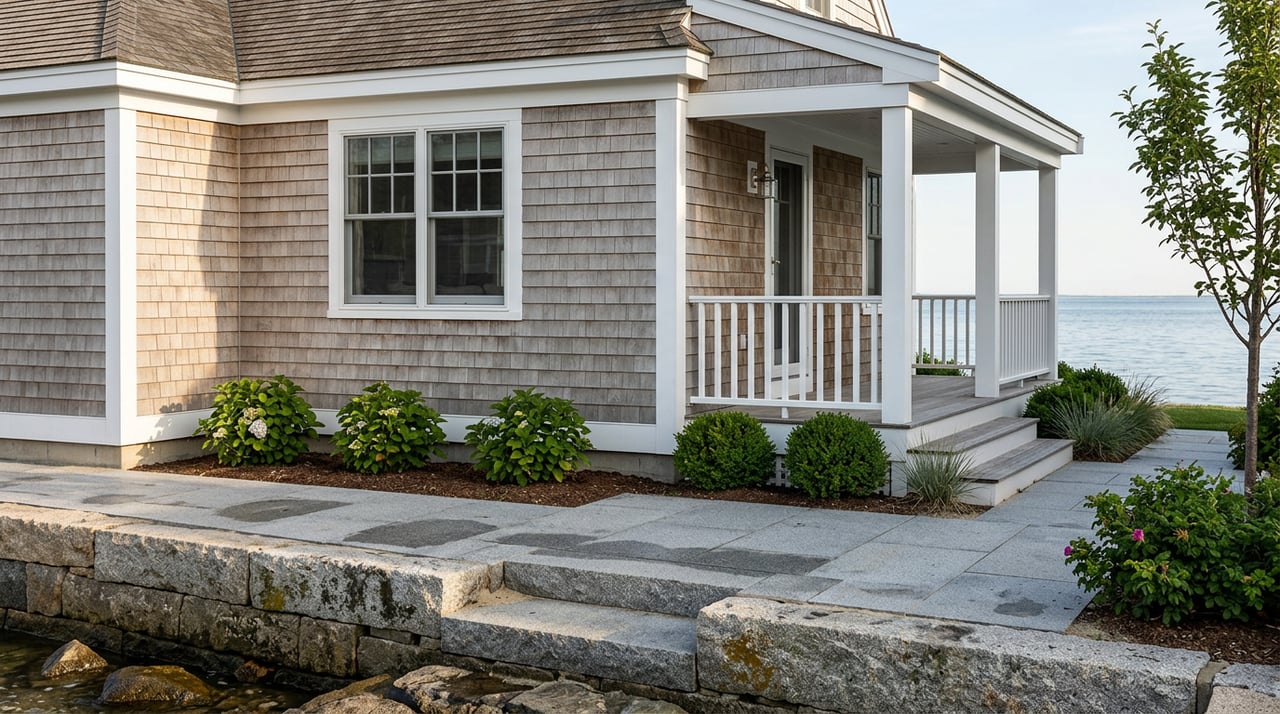
These properties often bring sweeping views and dramatic settings. They can also see higher wind and salt exposure, which affects maintenance on roofing, railings, windows, and exterior finishes. Materials that resist corrosion pay off over time.

Harbor and river frontage: Cape Porpoise and Kennebunk River

Protected waters suit boaters who value moorings, town pier access, and maritime services. Cape Porpoise Harbor is a working harbor with commercial and recreational activity. If keeping a boat nearby is essential, this setting offers the most practical access.

For deeper local context, see the Marine Resources chapter in the town’s Comprehensive Plan, which outlines harbor use and neighborhood character around the waterfront. You can skim the highlights in the Marine Resources chapter of the town’s Comprehensive Plan.

Moorings and boat access

Boat logistics can make or break your purchase. Kennebunkport’s harbor and waterfront rules cover mooring permits, construction standards, inspection schedules, pier use, and more. Cape Porpoise has long had a significant mix of commercial and recreational moorings, and permits are typically annual with possible wait lists.

  • Ask whether the seller holds a mooring permit and if it is transferable.
  • Contact the harbormaster’s office about current wait lists, placement zones, and fees.
  • Confirm where you will launch, tie up, or store a tender.

Review the Kennebunkport Harbor and Waterfront rules for specifics so you can plan with confidence.

Permits for docks, piers, and shoreline work

If you hope to repair a float, rebuild a pier, or stabilize a shoreline, Maine’s Natural Resources Protection Act applies. In simple terms, like‑for‑like repairs or replacements may qualify under Maine DEP’s permit‑by‑rule, while new or expanded structures usually require fuller review and often coordination with the Department of Marine Resources.

  • Ask the seller for copies of any past DEP or DMR permits related to docks, piers, or shoreline work.
  • If you plan changes, build time into your schedule for agency review.

For details on what triggers which pathway, the Maine DEP permit‑by‑rule guidance is your roadmap.

Flood maps, elevation, and insurance

Waterfront charm comes with mapping realities. Some parcels sit in or near Special Flood Hazard Areas, which affects required flood insurance and premiums. The town’s flood panels and a recent Letter of Map Revision, effective July 18, 2024, provide parcel‑level guidance.

  • Check your property’s current FEMA status and ask the seller for an elevation certificate if mapping suggests risk.
  • Get flood quotes early and confirm wind or hurricane deductibles on your homeowners policy.

Start with the town flood map and recent FEMA LOMR update, then consult your insurer. For general policy considerations and potential discounts, review the Maine Bureau of Insurance guidance on homeowners coverage.

Short‑term rentals: rules and licensing

If you intend to rent when you are away, do not assume it is allowed without a license. Kennebunkport requires annual short‑term rental licenses with caps, tiered fees, and inspections, and there is special handling for certain neighborhoods.

  • Confirm eligibility for the specific property before you buy.
  • Review renewal timelines, safety requirements, and posting rules.

Read the current Kennebunkport short‑term rental ordinance to understand what is possible.

Utilities, septic, and water

Many waterfront homes rely on on‑site systems or mixed utility service. Your offer should account for utility verification and inspections.

  • Septic: Request the original HHE‑200 design and order a functional HHE‑240 inspection by a licensed site evaluator. Start here for licensed site evaluators and septic forms.
  • Water: Portions of town are served by the Kennebunk, Kennebunkport & Wells Water District, while others use private wells. Confirm your source and test water where applicable.
  • Heating: Many Southern Maine homes use oil or propane. If you will be away in winter, schedule winterization and consider a generator plan.

Coastal maintenance: what to expect

Salt air, wind, and moisture accelerate wear on roofs, metal railings, windows, and exterior finishes. Cedar shakes look classic but may require more upkeep than lower‑maintenance cladding. Budget for more frequent inspections and marine‑grade materials near the shore. Prioritize corrosion‑resistant fixtures, protected mechanicals, and a regular service cadence.

Financing a second home

Conventional lenders treat second homes differently than primary residences. Expect occupancy guidelines, possibly higher reserve requirements, and sometimes larger down payments. Policies vary by lender and loan size, so pre‑qualification is wise before you tour in earnest. To understand the framework lenders use, review the Fannie Mae second‑home guidance and speak with your loan officer about seasonal properties.

Property taxes and examples

Kennebunkport reported a tax rate of 6.50 per $1,000 of assessed value in the FY2025 audit. As a simple example, an assessed value of 1,000,000 would equal about 6,500 per year in property taxes at that rate. Always confirm the current mill rate and any assessments during due diligence. See the figure in the town’s FY2025 town audit.

Your carrying‑cost checklist

Budget beyond the mortgage so there are no surprises:

  • Property taxes and homeowners insurance, including wind or hurricane deductibles
  • Flood insurance if required or recommended
  • Heating fuel, electricity, water, and internet
  • Routine coastal maintenance, winterization, and snow removal
  • Septic pumping and well service if applicable
  • Boat costs, mooring or pier fees, and inspections
  • If renting: STR license fees, inspections, occupancy taxes, and management

Neighborhood snapshots to focus your search

  • Dock Square and Kennebunkport Village: Walkable to dining and galleries, strong sense of place, convenient for quick visits and hosting friends.
  • Cape Porpoise Harbor: Working harbor with many moorings and town pier services. Good fit if boat access is a priority and you enjoy maritime activity.
  • Goose Rocks Beach and nearby coast: Sandy beach living with strong summer demand. Review flood mapping and local dune protections.

For a harbor‑focused deep dive, the Marine Resources chapter of the town’s Comprehensive Plan outlines how boating and waterfront use are managed.

Regulatory quick‑check

Use this mini checklist once a property makes your short list.

Shoreline and permits

  • Ask the seller for prior DEP or DMR permits for docks, floats, piers, or shoreline work.
  • If you plan changes, review the Maine DEP permit‑by‑rule guidance to understand what is fast‑track versus full review.

Flood and insurance

  • Check the parcel on current FEMA panels and the town’s LOMR update.
  • Request any elevation certificate, then obtain insurance quotes.

Boating

Rentals

Utilities and wastewater

A smart timeline for out‑of‑state buyers

  • Month 1: Define use, budget, and shoreline setting. Get lender pre‑qualification for a second home. Call your insurer to discuss wind and flood coverage.
  • Month 2: Short‑list neighborhoods and homes. Pre‑screen flood status and STR eligibility. Speak with the harbormaster about moorings and any wait lists.
  • Month 3: Tour in person. If possible, plan one visit in late spring and another in a shoulder season to see traffic, tides, and light.
  • Offer to close: Order septic and well inspections if applicable. Line up contractors for maintenance bids. Request all permits, elevation certificates, and utility records.
  • Post‑close: Set winterization, property checks, and vendor schedules. If absentee, consider engaging local property management resources.

Local support and vendors

Successful second‑home ownership is a team effort. Line up a property manager, a licensed site evaluator, a coastal‑savvy electrician and plumber, and a reliable fuel supplier. For seasonal hospitality context and timing, regional visitor guides can help you plan travel and guest stays. When you are ready to focus your search, work with a local advisor who can connect you with the right inspectors, contractors, and harbor contacts.

Ready to talk through neighborhoods, shoreline trade‑offs, and a tailored plan for your second home in Kennebunkport? Reach out to Andi Robinson for concierge‑level guidance, local expertise, and a smooth path from shortlist to shore.

FAQs

What should I know about mooring permits in Kennebunkport?

  • Moorings are permitted annually, may have wait lists, and must meet construction and inspection rules set by the town; confirm status, transferability, and placement with the harbormaster and review the Harbor and Waterfront chapter.

How do flood maps affect a Kennebunkport waterfront purchase?

  • Flood zone status can influence loan requirements and insurance costs; check current FEMA panels and the town’s recent LOMR, request an elevation certificate, and obtain quotes before you finalize an offer.

Can I short‑term rent my Kennebunkport second home?

  • Possibly, but you need a town license and must follow safety, inspection, and posting rules, with caps that limit availability; verify eligibility for a specific property under the current ordinance before assuming rental income.

What inspections are essential for waterfront homes in 04046?

  • In addition to a general home inspection, prioritize septic documentation and an HHE‑240 functional inspection if on‑site wastewater is present, water testing for private wells, and evaluations of roofing, windows, railings, and exterior finishes for coastal wear.

How are second‑home mortgages different from primary residence loans?

  • Lenders apply second‑home guidelines that can include occupancy rules, higher reserve expectations, and sometimes larger down payments; review Fannie Mae’s framework and confirm your lender’s requirements early.

What are typical annual carrying costs beyond the mortgage?

  • Plan for property taxes, homeowners and flood insurance, heating fuel and utilities, coastal maintenance, septic or well service, winterization and snow removal, and any boating or mooring fees; add STR license fees if you plan to rent.

Work With Andi & Elaine

Get assistance in determining current property value, crafting a competitive offer, writing and negotiating a contract, and much more. Contact us today.