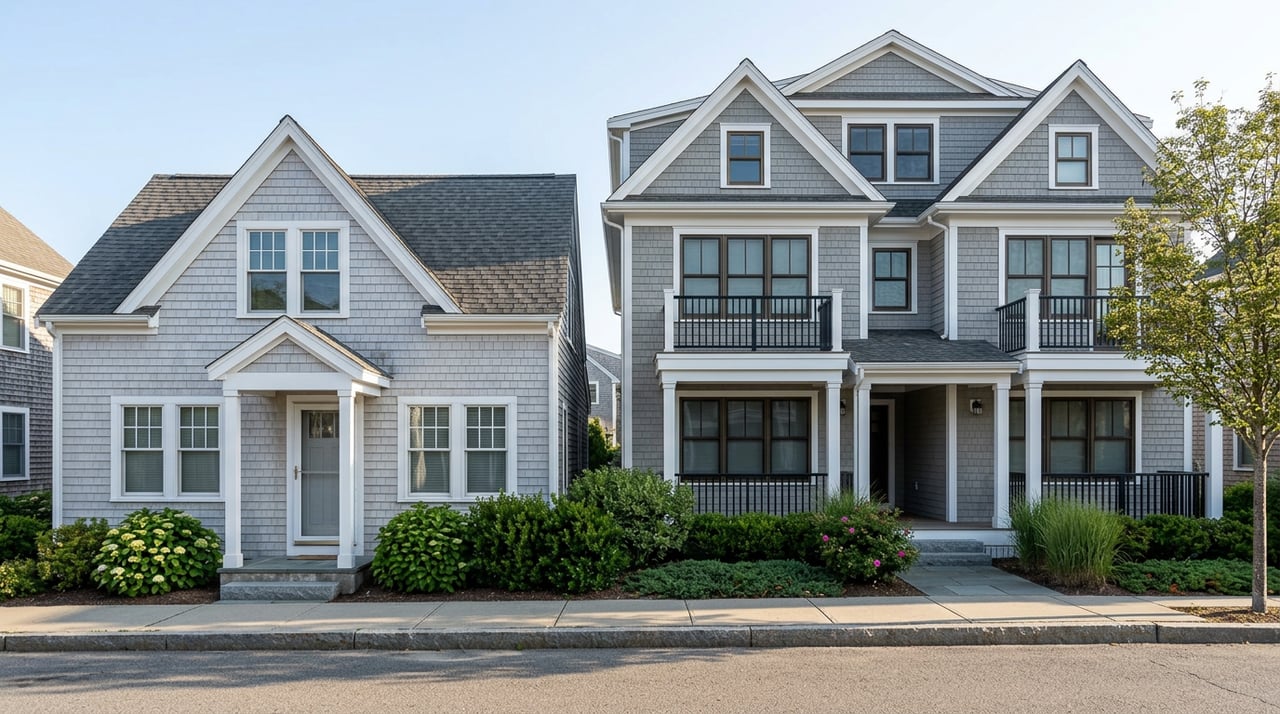
York Beach Condo vs Cottage: How to Choose Your Best Fit
March 5, 2026
March 5, 2026
Trying to choose between a condo and a classic beach cottage in York Beach? You’re not alone. With two beloved sandy stretches at Short Sands and Long Sands, summer lifeguards, and seasonal parking rules, the lifestyle here is special and a little seasonal by design. In this guide, you’ll see how maintenance, costs, lifestyle, flood exposure, utilities, financing, and rental rules stack up so you can decide with confidence. Let’s dive in.
York Beach is a small coastal neighborhood within the Town of York with two main public beaches, seasonal lifeguards, and metered or permit parking in warm months. Review current beach details and parking rules on the town’s parks page for Short Sands and Long Sands so you know how daily logistics may feel in summer. You can find those seasonal rules on the York Parks and Recreation beaches page.
The Town of York’s current published property tax rate is $8.25 per $1,000 of assessed value, per the town’s Tax Assessor. The assessor also reports local valuation and recent sales averages, which are helpful when you compare options or estimate carrying costs. Consumer portals often show York’s overall median home value in the mid $700,000s for broad context, but rely on the assessor and your agent’s MLS data for precise comparables.
| Factor | Condo in York Beach | Cottage in York Beach |
|---|---|---|
| Maintenance | HOA handles exterior and shared areas, often includes landscaping and snow removal | You handle roof, siding, yard, snow, and winterizing on your lot |
| Carrying costs | Monthly or quarterly HOA fees, plus taxes and interior upkeep | No HOA fees, but you carry all maintenance, utilities, and reserves |
| Outdoor space | Limited private yard, shared amenities common | Private yard and storage for beach gear are typical |
| Parking | Assigned or shared parking may be provided; guest rules vary by HOA | Driveway or on‑street options vary by property; seasonal town parking rules still apply |
| Renovation flexibility | Interior changes may be allowed, exterior changes governed by HOA | More freedom to improve and personalize within town codes |
| Flood insurance | Often carried at the building level by the HOA, confirm coverage | Individual flood policy typically needed based on FEMA zone |
| Utilities | Often on municipal water/sewer; some utilities included in HOA | Mix of municipal water/sewer or well/septic; all utility bills are yours |
| Rental rules | HOA rental rules govern use and guest registration | Town and state rules apply; no HOA layer, but all permits and taxes apply |
In York Beach, condo fees commonly cover line items like building insurance for the structure, exterior maintenance, landscaping, snow removal, and sometimes some utilities. Fee levels vary widely. For example, York Beach Residence Club listings show association structures that can range from a few hundred dollars per month to larger quarterly fees, with details that depend on the unit type and whether ownership is fractional. Review an example listing to see how inclusions like housekeeping or amenities are itemized in the association package. Always confirm the exact inclusions, exclusions, and reserves by reading the HOA budget and reserve study before you commit.
With a stand‑alone cottage, you’re responsible for everything on your lot. That usually includes roof and siding upkeep, deck and porch maintenance, landscaping, snow removal, gutter cleaning, HVAC servicing, and seasonal winterizing. If the property relies on a septic system, plan for routine pumping every 3 to 5 years, which industry sources place in the mid hundreds per service. Major septic repairs, such as drainfield replacement, can be much higher, so it is smart to budget for both recurring and multi‑year replacement items.
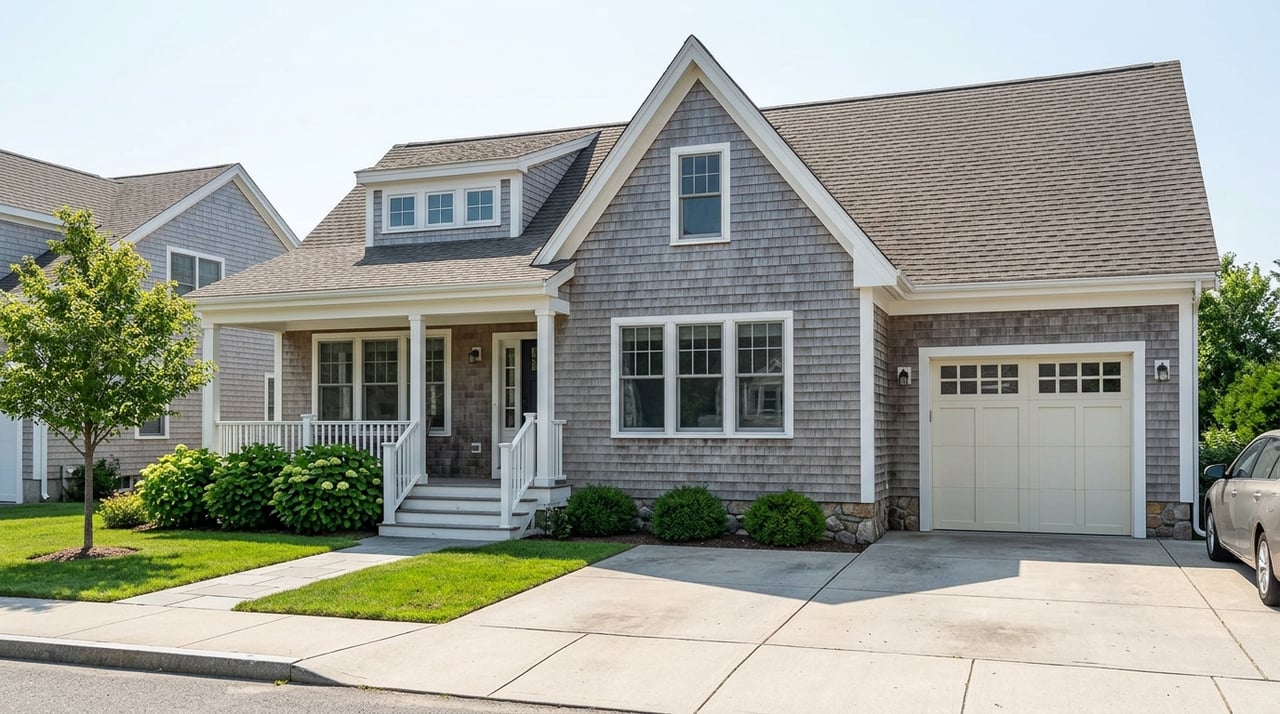
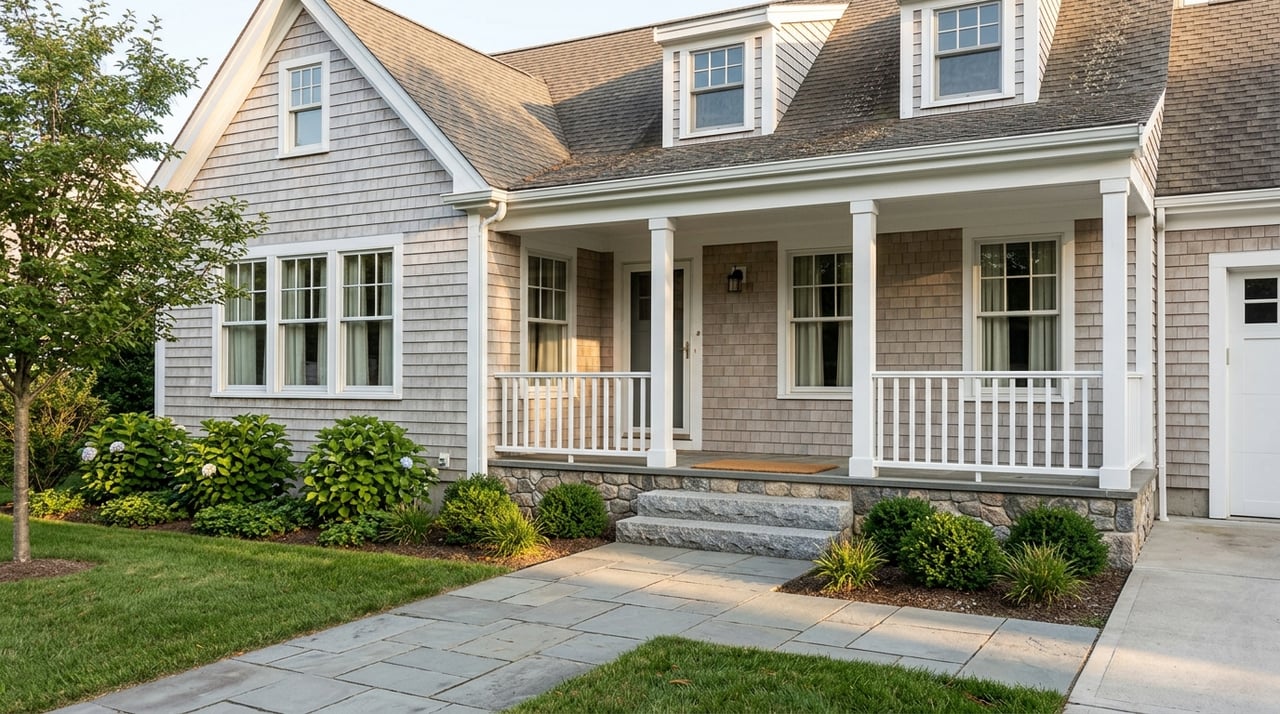
If you want a private yard, space for guests, and a place to store boards and chairs, a cottage usually fits better. You also have more say over landscaping and outdoor amenities, subject to town permitting. Condos lean into lock‑and‑leave ease, walkability, and shared amenities. Some York Beach condo products, especially resort or fractional models, include features like a pool, rooftop deck, and housekeeping services that reduce personal upkeep, but they may also include owner‑use schedules that limit personal availability.
Beach access and parking matter here. In peak season, town parking is metered or sticker‑permit controlled near Short Sands and Long Sands, which can affect guests and daily convenience whether you own a condo or a cottage. Review the current rules and zones on the York Parks and Recreation beaches page to understand how summer parking aligns with your plans.
York Beach sits right on the coast, so flood and storm exposure are key considerations for both condos and cottages. The Town of York maintains a Floodplain Management Ordinance and local flood information, and you should also check FEMA’s maps for property‑specific risk. If a property is in a FEMA Special Flood Hazard Area, lenders will likely require flood insurance, and it is a prudent idea even outside higher‑risk zones.
With condos, part of the flood coverage may be included in the building’s master policy, then you supplement for contents and interior coverage as needed. With cottages, expect to secure a stand‑alone flood policy tailored to your structure and elevation. Always ask for prior claim history and any available elevation certificate.
Parts of York Beach are served by municipal water and sewer, while older or more remote properties may rely on private wells and septic systems. This affects both maintenance and long‑term planning. Confirm service for any specific address with the York Water District or the York Sewer District, or coordinate with the town’s Code Enforcement team.
If you are considering septic or well work, or any larger renovation, remember that permits are required. The Town of York’s Applications and Forms page outlines well permits and subsurface wastewater (septic) forms, and you can search property files to verify what was done in the past. Clear permitting is especially important if you plan to expand a cottage, add bedrooms, or renovate kitchens and baths.
If you lean toward a condo, the health of the association matters as much as the view. Read the current HOA budget, reserve study, meeting minutes, master insurance coverage, and the full declaration and bylaws. These documents set expectations for special assessments, outline rules about outdoor gear or amenities like grills and fire pits, and govern rentals, guest registration, and pet policies. An example York Beach Residence Club listing highlights how some associations package services such as housekeeping in exchange for defined owner‑use schedules and fees. Your lender may also ask for condo questionnaires that reflect the project’s warrantability.
Financing can differ between condos and cottages. For condos, lenders look at the project as well as the unit. Very low reserves, pending litigation, or unusual occupancy structures can affect access to certain loan programs. For cottages, standard single‑family underwriting applies, with a focus on condition and appraisal. Because guidelines and lender overlays change, ask your lender early whether a particular condo is considered warrantable and what that means for your financing options.
On resale, both cottages and condos in York Beach see seasonal demand patterns. Condos can be easier to step into with lower day‑to‑day maintenance, but association rules may shape rental income and resale appeal. Use the Town Assessor’s published tax rate and sales averages as a starting point, then refine with MLS comparables for your specific location, beach proximity, and property condition.
If part of your plan involves short‑term rentals, build your model on verified rules and realistic assumptions.
Model seasonal occupancy, rate variability, and platform practices rather than assuming year‑round high occupancy. Confirm HOA rules for any condo, since they can further limit or shape rental activity.
Use this quick framework to narrow your choice:
Before you write an offer on any York Beach property, confirm the following with your agent and the relevant offices:
Thinking about the right fit for your lifestyle is the first move. Pair that with a careful read of flood exposure, utilities, and governance, and you will feel confident when the right place hits the market. When you are ready to explore specific properties or want a tailored pros and cons review, reach out to Andi Robinson for a complimentary market consultation.
Get assistance in determining current property value, crafting a competitive offer, writing and negotiating a contract, and much more. Contact us today.