
Cape Neddick Cottage Selling Tips for the Spring Market
February 5, 2026
February 5, 2026
Thinking about selling your Cape Neddick cottage this spring? You are not alone. Spring is when coastal buyers arrive with high expectations and a sharp eye for condition, safety, and value. With the right plan, you can meet that demand, highlight what makes your property special, and move confidently toward closing.
This guide gives you a clear, step-by-step plan tailored to Cape Neddick and York. You will learn how to time your listing, prioritize coastal repairs, handle inspections and permits, and present your cottage beautifully online and in person. Let’s dive in.
Spring and early summer bring the most buyer activity in coastal York County. Many buyers come from Greater Boston, southern Maine, and New Hampshire, and they often want turnkey condition. Listing in spring helps you meet peak demand, but it also means standing out among well-prepared homes.
Use recent local comparable sales from the last 3 to 6 months. In Cape Neddick, small differences can drive big price changes. Separate comps by waterfront, water view, or inland, and note year-round certification vs seasonal use, lot size, and any private beach access or parking.
Buyers focus on structure and risk over cosmetics. Roof age, foundation and drainage, deck safety, septic and well condition, and flood exposure are top of mind. Plan to document these items before you go to market.
Salt, wind, and winter snow are tough on coastal roofs. Check for missing shingles, corroded flashing, and chimney chase issues. If you have recent service or replacement records, organize them. Buyers often ask for roof age and documentation.
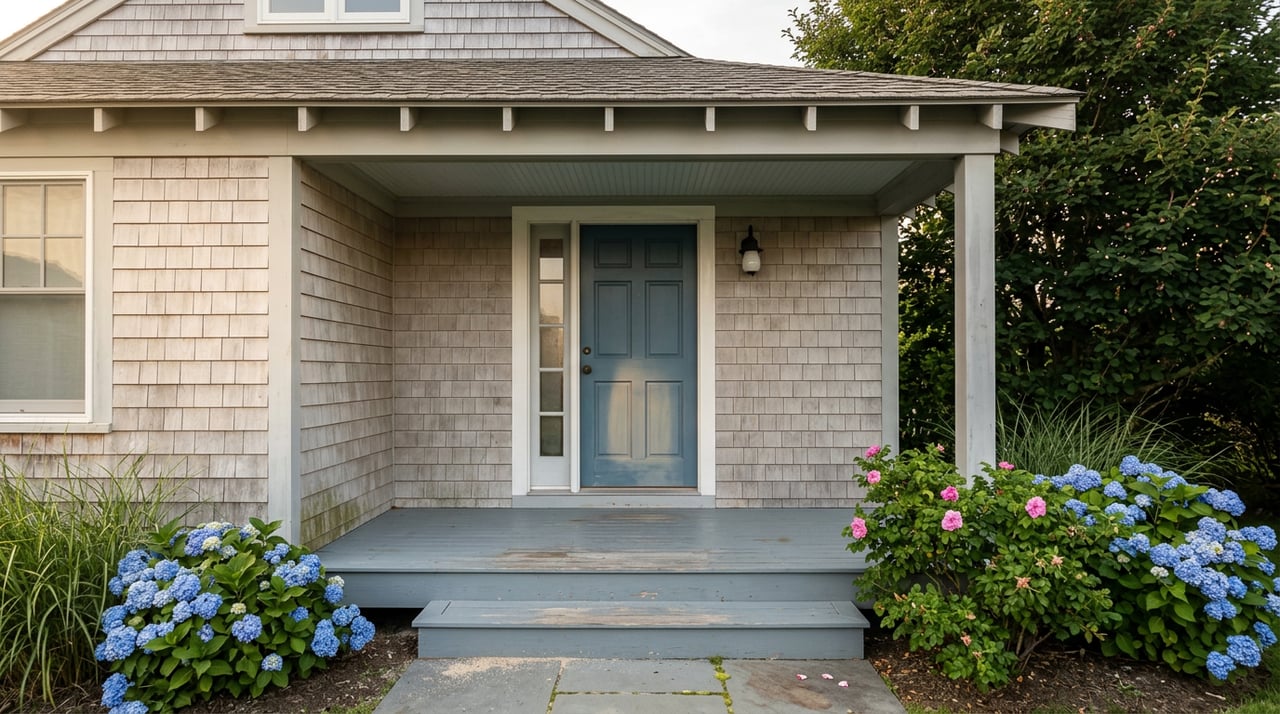
Inspect for rot, loose rails, and unstable steps. Replace unsafe pieces and refinish boards that look worn. Solid, safe outdoor living areas are a major value point for cottages near the water.
Look for cracks, frost heaving, and pooling water. Correct grading so water flows away from the cottage. Confirm downspouts discharge away from the foundation and consider dry wells or swales where needed.
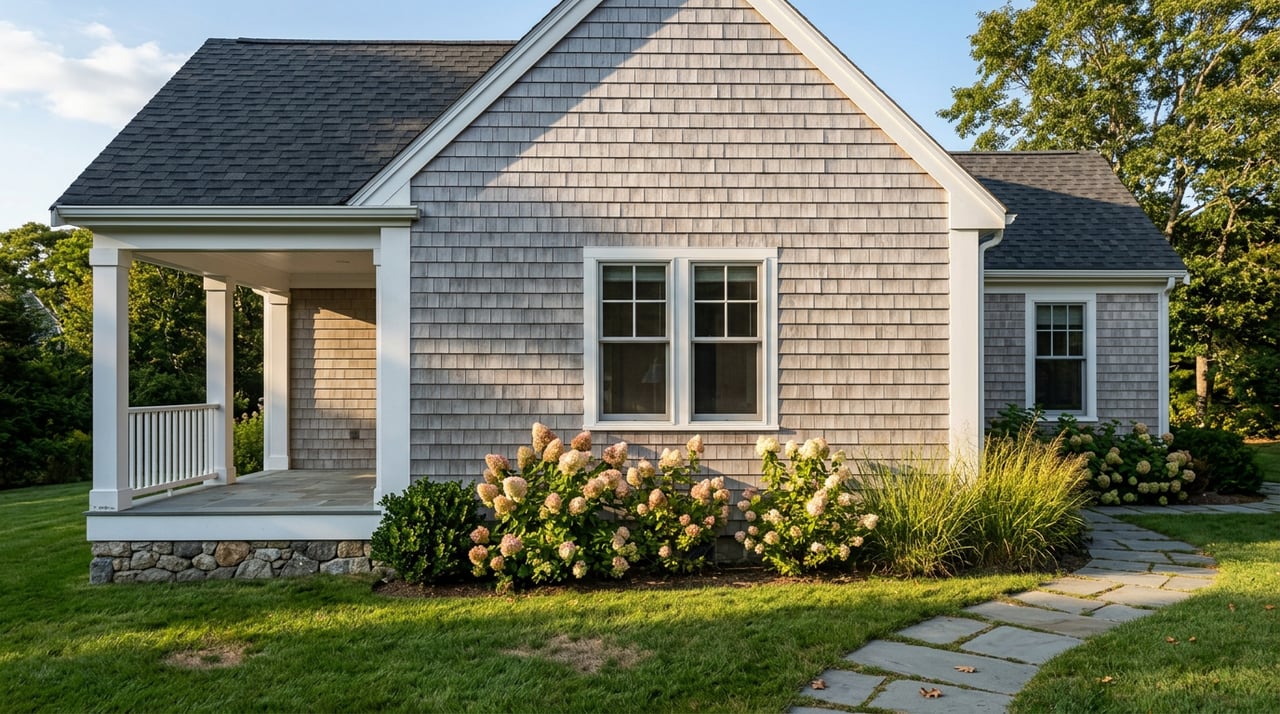
Salt spray accelerates paint and trim wear. Power wash, scrape, and repaint or touch up the most visible elevations. If you are replacing trim, composite or fiber-cement options can reduce maintenance.
Test for drafts and check weatherstripping. Document any storm windows or doors. Coastal buyers want to know you have managed breezes and moisture.
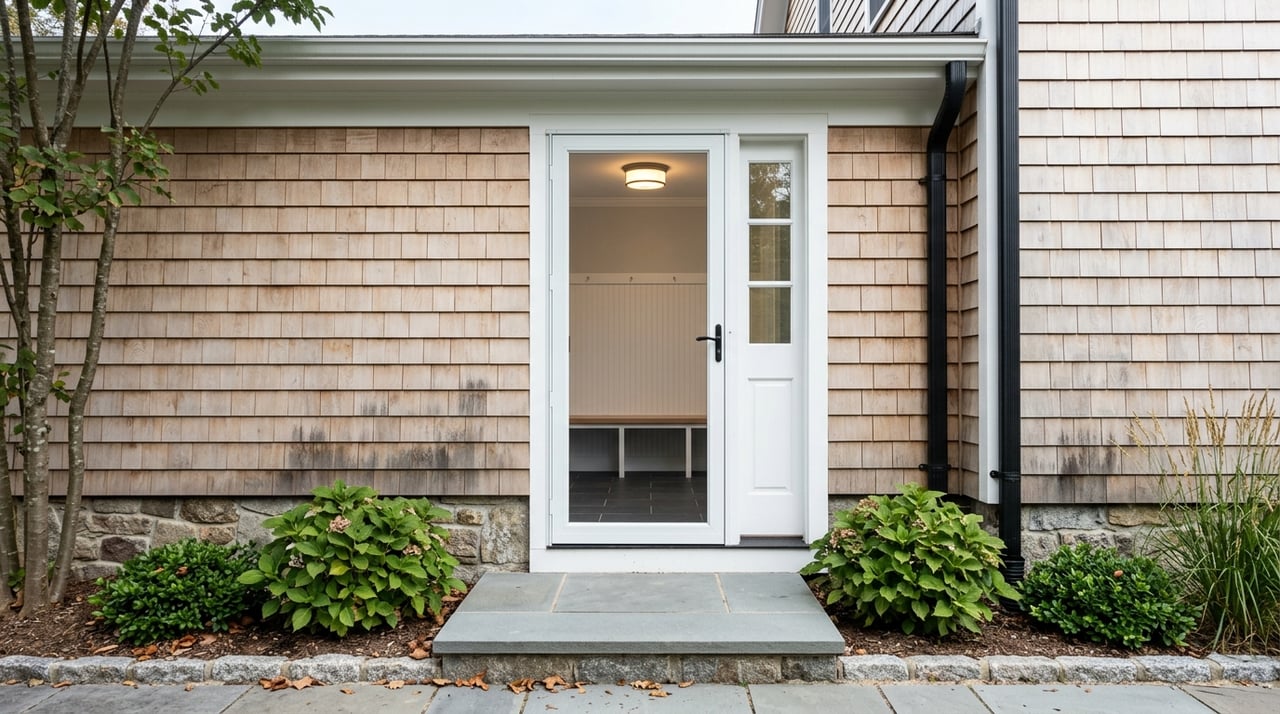
Clear winter debris from gutters and leaders. Repair ruts or potholes in driveways and ensure safe, clear access and parking.
A general home pre-inspection helps you find and fix deal-killers early. Add a septic inspection and pumpout, plus well testing for water quality. If your cottage has rental history, confirm smoke and CO detectors and egress meet safety expectations. If you are in a FEMA Special Flood Hazard Area, be prepared to share flood map status and an elevation certificate if requested.
Before you replace decks or make structural changes, confirm whether Town of York permits or Shoreland Zoning approvals are required. Maine’s shoreland rules can affect repairs and expansions near tidal waters. Start these conversations early if you plan work.
Use standard Maine seller disclosure forms and be transparent about septic and well history, structural issues, any environmental hazards, and prior storm or flood damage. Buyers for coastal homes will ask about mitigation steps like flood vents or raised utilities.
Ask your insurer about flood and wind coverage for your address and structure. Premiums can vary by elevation, flood zone, roof age, and cladding condition. If you have a prior claim or low elevation, obtain quotes in advance so you can answer buyer questions with confidence.
Seasonal cottages often price below fully renovated, year-round homes with modern mechanicals and insulation. If you plan to market as year-round, document heating capacity, insulation, and winterization history. Buyers pay a premium for a property that is ready for all seasons.
Triage repairs by safety and visibility:
If you choose not to complete certain updates, present a clear scope of work and estimates. This helps buyers understand the path forward and can support your pricing strategy.
Declutter and highlight natural light and views. Use neutral, calm color palettes and edit out dated nautical themes. Stage both seasonal living and year-round comfort so buyers can picture how the cottage works across spring, summer, and winter.
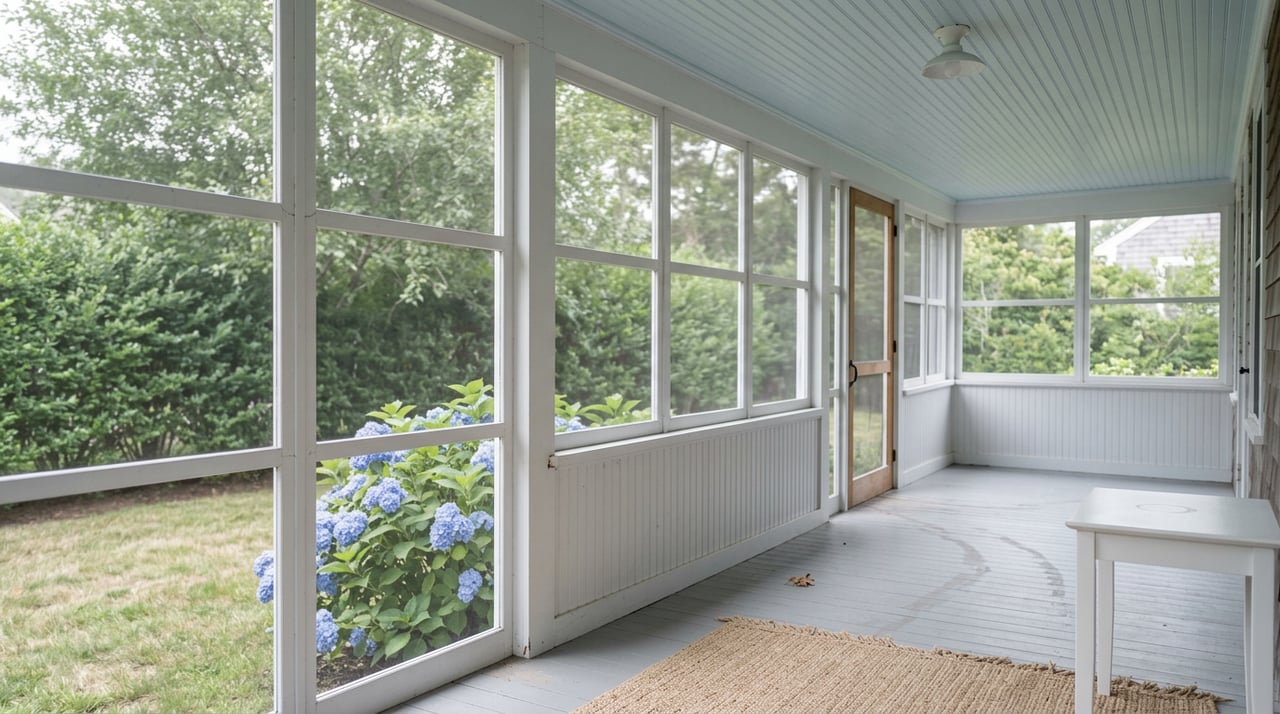
Small updates can have an outsized effect. Deep clean, update hardware and lighting, and refresh soft goods like rugs and curtains. Stage porches and decks to show usable outdoor rooms.
Plan exterior and shoreline shots with the tide so you show the property honestly at its best. Low tide can reveal more beach; high tide can show water closer to the property. Early morning or late afternoon light brings out the coast’s texture and color. Avoid harsh midday sun that can flatten water and sky.
Aerial images help buyers see proximity to shore, access points, and neighborhood context. Use a compliant operator and be clear if images illustrate property lines or distances. Offer a measured floor plan and a virtual walk-through to support out-of-area buyers who rely on online materials.
Give flexible access windows, especially on weekends. If your cottage is winterized, schedule de-winterization before the first showings. Prepare a one-page property sheet with utility info, insurance notes, septic and well dates, recent improvements, and local utility contacts.
With a clear plan, you can take advantage of the spring market and present your Cape Neddick cottage with confidence. If you want help sequencing repairs, pricing with the right comps, and producing standout marketing, our boutique team brings hands-on guidance and polished presentation supported by the reach of a global brand.
Ready to talk strategy for your property? Connect with Andi Robinson to request a complimentary market consultation.

Get assistance in determining current property value, crafting a competitive offer, writing and negotiating a contract, and much more. Contact us today.