The Airbnb Question York Beach Buyers Forget to Ask
September 17, 2026
September 17, 2026
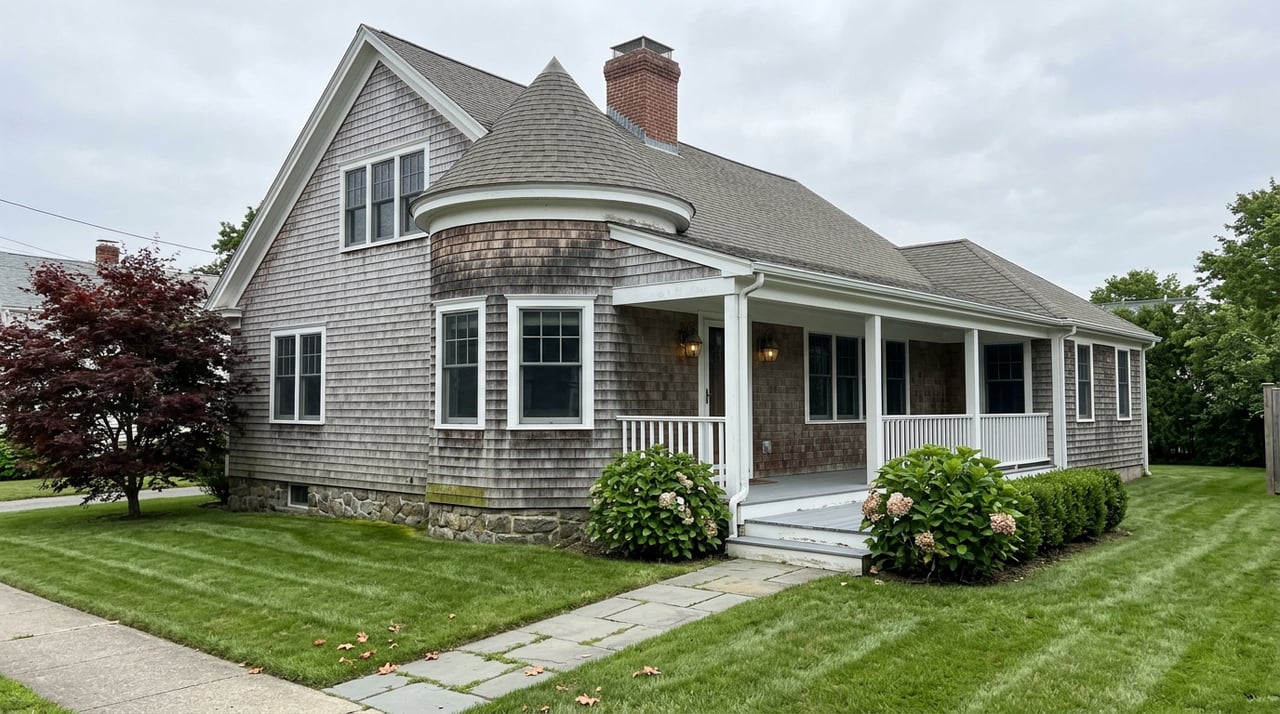
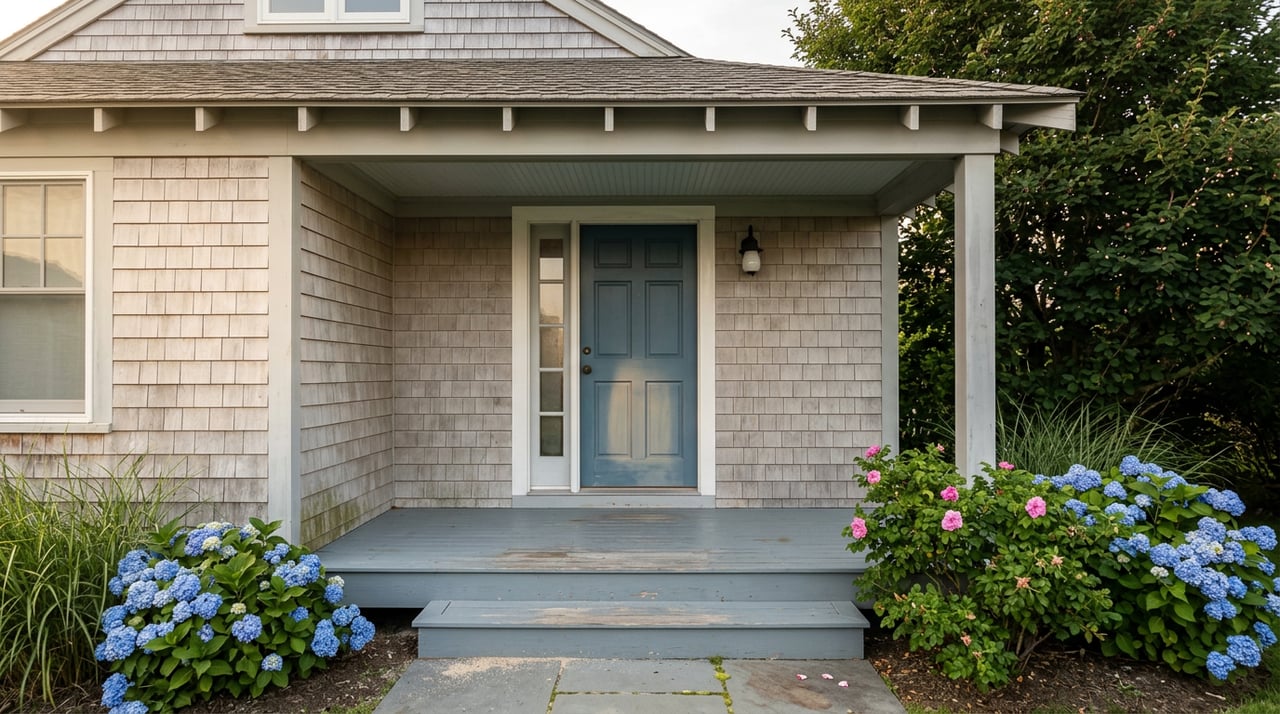
Stand on the porch of almost any shingled cottage within walking distance of Short Sands Beach and it is easy to picture the summer ahead: a few weekends rented out to cover the taxes, maybe a whole August week at peak rate while you take the kids somewhere else. Fox's Lobster House is a block from the water. The Union Bluff Hotel has watched over that stretch of coastline since 1868. The rental math, on paper, looks generous.
Here is what most of those calculations leave out. York does not currently require a permit, license, or registration to run a short-term rental. That sounds like good news for a buyer counting on flexible income. It is also the reason the town has spent the better part of two years trying, and failing, to change it.
York has allowed short-term rentals without formal oversight for as long as anyone can remember, and the growth of platforms like Airbnb and Vrbo has only accelerated activity built on that lack of structure. Back in 2024, town planning staff estimated the total at somewhere between 800 and 900 units, close to a tenth of York's entire housing stock at the time. Whatever that count looks like today, it is a meaningful share of a small coastal town's homes operating with no registry, no inspection requirement, and no public record of complaints.
For a buyer, the absence of rules can look like freedom. It can also mean there is no reliable baseline data on how many properties like the one you are considering already exist on your street, what kind of turnover they see, or how neighbors have responded. You are pricing income potential against a market the town itself cannot fully measure.
In the spring of 2024, York put the question to voters directly. The proposed ordinance would have required every short-term rental owner to register and secure a permit good for three years, subject to inspection and fees. It set occupancy limits too specific to ignore.
Two people per bedroom, plus two extras, not counting children under sixteen.
That was the guest cap written into the 2024 proposal, alongside new parking and noise requirements. Supporters pointed to the kind of large weekend rentals that had turned some neighborhoods loud. Opponents organized their own campaign, arguing the rules would burden owners of older homes with costly repairs and hand too much power to anonymous complaints.
The measure failed by 241 votes. Close enough that neither side treated it as settled.
Rather than let the issue drop, York's Selectboard appointed a committee to take another pass at it. That group spent roughly a year gathering input and, in July of 2025, voted unanimously to recommend a new regulatory framework. The recommendation calls for a registration system for all short-term rental properties, with different rules depending on whether the owner lives there or not.
Based on the most recent public record we could confirm, that framework had not yet been put before voters or adopted as town ordinance. It is a recommendation sitting in front of the town, not a rule in effect. Town officials looked at how neighboring communities handled the same pressure, including Kennebunkport and Freeport, both of which have already put registration systems in place. York is the outlier among comparable coastal towns, not because it decided against regulation, but because it has not yet finished deciding.
That is the detail worth sitting with if you are buying here for rental income. You are not buying into a stable, deregulated market. You are buying into a pause between two attempts at change, the second of which already has committee support and a template from nearby towns to draw on.
None of this means the numbers are bad. As of recent tracking, York's short-term rental performance shows average occupancy around 61 percent with a daily rate near $554, translating to roughly $35,571 in monthly revenue during active periods. In the summer of 2025, industry estimates put the median host's annual take closer to $41,500, so the trend has been upward, not down.
Those figures describe a healthy, active market. What they cannot describe is how a registration fee, an inspection requirement, or a distinction between owner-occupied and investor-owned properties might change the math for a specific address. If the 2025 committee's framework eventually passes, an investment property that has never registered anything with the town may face different rules than a primary residence rented out a few weeks a year. The 2024 proposal treated those categories differently too. It is a pattern worth expecting to continue.
If a rental income projection is part of why you are considering a York Beach property, treat today's numbers as a snapshot, not a guarantee. A few questions are worth asking before you get too attached to a specific return:
None of these questions should scare a buyer away from York Beach. They should just replace the assumption that today's rental math is fixed with the more accurate picture: it is current, it is real, and it is sitting on ground the town keeps testing.
Is there a cap on how many nights a year I can rent my home in York? No such cap exists under current town rules. The 2024 proposal did not include one either, unlike some other Maine towns.
Will my rental be grandfathered in if a new ordinance passes? That is not yet clear. The 2025 committee's recommendations distinguish between owner-occupied and non-owner-occupied properties, but no final ordinance language addressing existing operators has been adopted.
Do I need to register with the state of Maine even if the town doesn't require it? Yes. State lodging tax obligations apply regardless of whether York has a local registration system, so any short-term rental income should already be reported to Maine Revenue Services.
Should I wait to buy until York settles its rules? Most buyers won't have that luxury, and the timeline for a final vote isn't set. The more useful approach is building a purchase decision around the property and neighborhood you actually want, with rental income treated as a bonus rather than the deciding factor.
York Beach remains a place people want to own, whether they are drawn by the walk to Short Sands, the view from Sohier Park, or the idea of a porch a few streets back from the Nubble. The rental income question is real, and it deserves a clear-eyed answer rather than a projection borrowed from a listing site. If you are weighing a cottage here and want help separating what the market is doing from what the town might still decide, reach out to Andi Robinson and Elaine Prendergast for a complimentary market consultation. We track these town-hall level shifts as closely as we track the comparables, because both shape what your investment is actually worth.

Get assistance in determining current property value, crafting a competitive offer, writing and negotiating a contract, and much more. Contact us today.