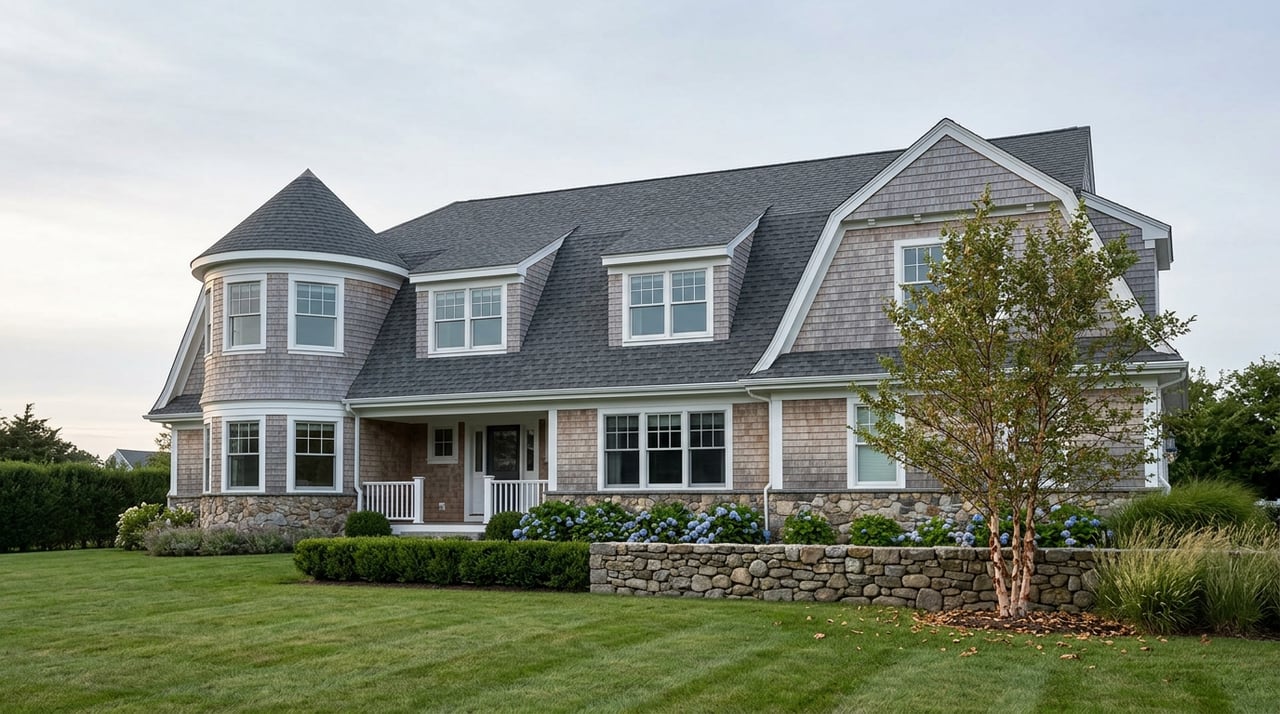
In Kennebunkport, The House Closes. The Permissions Don't.
September 3, 2026
September 3, 2026
Does the deed buy you the dock?
It is the question almost nobody asks before they sign a purchase and sale agreement on a Kennebunkport waterfront property, because it seems like it should already be answered. You bought the shorefront. The water is right there. Surely the ability to put a boat on it came with the address.
In Kennebunkport, these questions involve four separate town systems, each with its own eligibility test and its own clock. Buyers should verify the details for the property they're considering before relying on an existing permission.
If your plan for a Kennebunkport lot involves anything more than living in the house as it stands, the first system you'll meet is the growth management permit. Kennebunkport caps how many new dwelling units can go up each year. Kennebunkport's comprehensive plan allocates 20 percent of the permits to the rural area in the northern half of town, 30 percent to a transition zone covering roughly a quarter of the town's land, and the remainder to the designated growth areas.
If two applications land at the same moment, the town doesn't flip a coin first. Kennebunkport's land use ordinance gives preference to permanent residents building on land they already own. That detail matters if you're an out-of-state buyer competing for a permit in a tier that's filling up.
The part that catches people off guard is what happens after you win the permit. It expires if you don't convert it into an actual building permit.
Buyers who picture a fast teardown and rebuild on a waterfront lot should know the town builds in a mandatory delay before that can happen. Before Kennebunkport issues a demolition permit, the Code Enforcement Officer posts a 60-day waiting period, notifies abutting property owners in writing at the applicant's expense, and advertises the demolition request at least twice in a newspaper of general circulation.
None of that is a formality you can waive by paying more. It's baked into Article 11 of the town's land use ordinance, and it runs regardless of how motivated the buyer is or how derelict the existing structure looks. If your financing or your contractor's schedule assumed a rebuild could start the week after closing, the 60-day window alone changes that math.
This is the one that surprises out-of-state buyers most, because it inverts the assumption that waterfront ownership is the hard part and getting a boat in the water is the easy part.
Cape Porpoise Harbor holds about 120 moorings, and the majority are already held by commercial fishermen. To qualify for a mooring permit there, Kennebunkport's mooring ordinance requires you to be either a Cape Porpoise Pier member in good standing or a shorefront owner who can document a minimum of 100 feet of shore frontage and demonstrate that a mooring site in front of the property is both practicable and safe. That second path sounds like it should cover most waterfront buyers. It doesn't. A lot of Cape Porpoise and river-adjacent parcels don't carry 100 feet of frontage, especially the ones subdivided decades ago into the tighter footprints common along the peninsula.
Even for buyers who clear that bar, the mooring waiting list resets annually, and the application, along with its fee, has to be filed by May 1 to be considered for that season. Miss the date and you're not just delayed a few weeks. You're waiting until the following year, watching the harbor from your own dock without a place to put a boat in front of it.
For buyers who are weighing a Kennebunkport purchase partly on its short-term rental income potential, the ordinance has a mechanism worth understanding before you build that income into a pro forma. The short-term rental portal is currently closed to new applications and renewals for the 2026 calendar year, and the number of new licenses issued each year is set by the Select Board using a formula tied to the total count of dwellings in town. That's a hard ceiling, not a rolling approval process.
Goose Rocks Beach is carved out as its own mapped exception to the overall cap, which is worth knowing if that's the specific stretch of coastline you're evaluating, but everywhere else in town the cap applies as written.
Underneath all four systems sits the same geography. Kennebunkport's shoreland zone requires structures to sit back at least 75 feet from the normal high-water mark, except in the Dock Square and Riverfront zones where the setback drops to 25 feet. Residential lots on tidal water face minimum lot-size and shore-frontage requirements, and shoreland lots also face limits on coverage by structures, driveways, and other non-vegetated surfaces.
A lot that looks generous in a listing photo can turn out to have a much smaller buildable footprint once those numbers are applied. That's the backdrop against which the growth permit clock, the demolition waiting period, the mooring frontage rule, and the rental cap all operate. The land was never going to be as flexible as the acreage number suggested, and the permissions layered on top of it are even less flexible than most buyers expect walking in.
None of this is a reason to avoid Kennebunkport waterfront or historic property. It's a reason to ask different questions before you're under contract instead of after. Does this lot already carry a growth management permit? Is there an existing mooring assigned to the property, and does it transfer, or does it lapse back to the town's waiting list at the point of sale? What is the current short-term rental license status, if there is one, and what approvals are needed before you rely on rental income?
Those are answers a listing sheet won't give you. They come from the Code Enforcement Officer's file, the Harbormaster's registry, and the town's rental licensing records, and they're worth pulling before the inspection contingency expires, not after.
If the house I'm buying already has a mooring assigned to it, does it come with the sale? Confirm directly with the Harbormaster's office whether the current permit holder's status transfers or whether you'd be applying fresh, subject to the same frontage and eligibility requirements as any new applicant.
Can I list a Kennebunkport house as a short-term rental the same season I close? The 2026 portal is closed to new applications, so buyers should verify the property's license status before assuming rental income is available on day one.
How early should I start the growth management permit process if I'm planning to build? As early as your due diligence period allows. Because the permit is awarded first-come, first-served by zone and expires in 120 days once granted, timing the application to when your building permit paperwork will actually be ready matters as much as getting the application in first.
Every one of these systems has a real person behind it, whether that's the Code Enforcement Officer, the Harbormaster, or the Select Board, and every one of them can tell you where a specific property stands before you're locked into a closing date. If you're evaluating a waterfront or historic purchase in Kennebunkport and want to know what actually transfers with the deed, Andi Robinson and Elaine Prendergast can help you get those answers early. Request a complimentary market consultation before you write the offer, not after.
This article is general information, not legal, tax or financial advice. Consult a qualified professional about your situation.

Get assistance in determining current property value, crafting a competitive offer, writing and negotiating a contract, and much more. Contact us today.