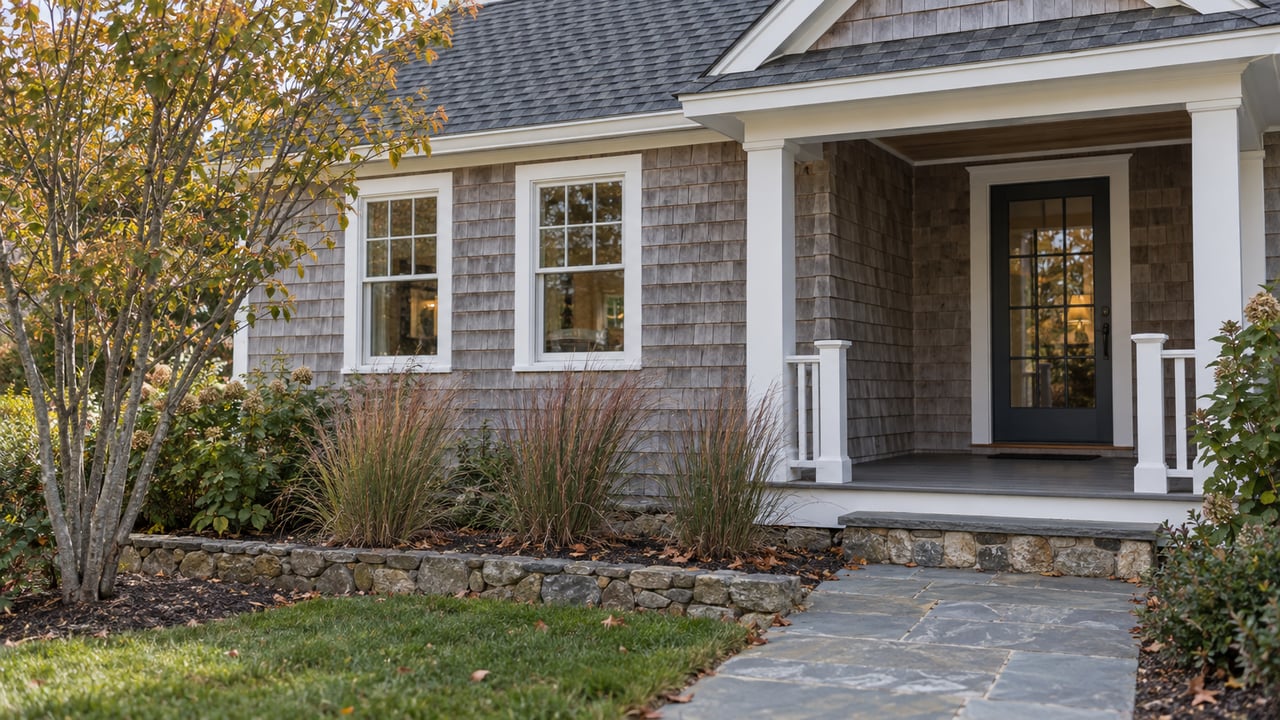
Biddeford Pool's Birders Don't Watch the Clock. They Watch the Tide.
October 1, 2026
October 1, 2026
The trail at East Point Audubon Sanctuary runs along the ocean-facing edge of Fletcher Neck, a narrow band of rock and grass that most visitors treat like any other coastal walk: show up whenever, look at the water, head home. The people who actually find birds there do something different. They check the tide chart first, because the difference between a good morning and a forgettable one has less to do with the hour than with how much of the Pool is underwater.
That's the piece of local knowledge that doesn't make it onto the trail signs. East Point isn't just a preserve next to a tidal pool. It's a preserve whose best hours are set by the same tide that fills and drains the pool it borders, and understanding why turns a pleasant walk into something closer to a system you can read.
Biddeford Pool, the body of water the village is named for, is a nearly enclosed tidal basin with swings of roughly 8 to 10 feet between high and low. At low tide, wide mudflats open up across its interior, and shorebirds scatter across that exposed ground to feed. At high tide, those mudflats disappear entirely. The water rises to fill the basin, and the birds that were spread across the interior get squeezed onto whatever dry edge is left, which is exactly the rocky perimeter that the East Point trail follows.
That's the mechanism. It's not that birds are somehow more active at high tide. It's that high tide removes their feeding ground everywhere except the shoreline, and the shoreline is where the trail happens to run. A birder who times a visit to the top of the tide isn't getting lucky. They're standing at the one strip of land the birds have left.
The Gut is the local name for the narrow, naturally scoured channel where the Pool empties into the ocean, and it stays deep enough to float a boat even when the rest of the basin is bare mud. The Biddeford Pool Yacht Club keeps its wharf there, lobstermen keep their moorings there, and Vines Landing, the town landing on the channel's eastern shore, is where kayaks and paddleboards go in and out with the same tide that governs everything else in the village.
It's a small detail, but it explains something about how Biddeford Pool actually functions day to day. The tide that pushes shorebirds onto the point is the same tide that determines whether a lobster boat can get out of its mooring or a paddler can launch without fighting a rip. Nobody in the village is checking two different charts. There's one tide, and it runs the harbor and the sanctuary on the same clock.
The clearest evidence that late September is peak migration here isn't a seasonal generality. It's a specific list. A local birder who tracks sightings around Biddeford Pool logged the following for the week of September 17 through 24, 2026:
That's not a curated highlight reel from a guidebook. It's a working field log from a birder who was out that specific week, and it lines up with what the calendar predicts: late summer through October is when the Atlantic Flyway funnels its heaviest shorebird traffic through this stretch of coast, and Biddeford Pool's mudflats are considered one of the more important stopover points on that route.
East Point Sanctuary exists because a group of Biddeford Pool landowners donated the 30-acre parcel to Maine Audubon in 1976. Maine Audubon lists the preserve at 27 acres today, and in the decades since, the organization has recorded more than 260 bird species within its boundaries, a number that reflects both the site's location on the flyway and the fact that it sits at the very tip of a peninsula, catching birds moving along the coast in both directions.
The sanctuary is free and open year round from dawn to dusk, but it comes with restrictions that matter more here than at a typical park. Dogs, even leashed, aren't permitted, since their presence disturbs nesting and feeding birds. The trail runs past a private golf course and private residences, and visitors are expected to stay on the marked path and respect that boundary. Maine Audubon has also been actively removing invasive plants from the property in recent years, working to restore the native habitat that supports the range of species the sanctuary is known for. None of this is incidental upkeep. It's what keeps a small parcel of donated land functioning as one of the better birding sites on the southern Maine coast fifty years after it was given away.
The practical details are worth knowing before a first visit, because they're easy to get wrong. Parking at the sanctuary entrance, at the end of Lester B. Orcutt Boulevard, holds about six cars, and local guidance is specific about where overflow parking goes: park with the flow of traffic on First Street, not facing the wrong way, and not on Ocean Avenue, where tickets are handed out. The trail itself runs about 0.8 miles from the entrance out to the point, so a there-and-back walk covers roughly 1.6 miles. Benches are placed along the way, and the views include Wood Island Lighthouse sitting just offshore across the channel.
None of that is complicated, but it's the kind of thing a first-time visitor doesn't know until they've circled the block looking for a legal spot. Arriving with the tide chart already checked and a parking plan already in mind is the difference between a frustrating first ten minutes and a walk that starts the way it's supposed to.
The tide that fills Biddeford Pool twice a day is doing more work than most visitors give it credit for. It's setting the hours for a fifty-year-old bird sanctuary, keeping a small working harbor navigable, and deciding, on any given afternoon, whether the mudflats or the shoreline get the traffic. Reading it well is a small skill, but it's the kind of small skill that marks the difference between passing through a place and actually knowing it.
If the rhythm of this stretch of coast, the tides, the birds, the small working harbor, is part of what draws you to Biddeford Pool, Andi Robinson and Elaine Prendergast know this village at that same level of detail. Reach out to talk about what living along the Pool actually looks like through the seasons.

Get assistance in determining current property value, crafting a competitive offer, writing and negotiating a contract, and much more. Contact us today.