Is Cape Neddick Right For Your Second Home Or Move?
July 23, 2026
July 23, 2026
If you are considering Cape Neddick for a second home or a full move, the real question is not just whether it is beautiful. It is whether the day-to-day reality fits how you want to live. From summer crowds to coastal maintenance, Cape Neddick asks you to balance charm with practical ownership. This guide will help you weigh both so you can decide with confidence. Let’s dive in.
Cape Neddick is not a separate town. It is one of four communities within York, along with York Village, York Harbor, and York Beach. That matters because when you buy in Cape Neddick, you are really buying into the broader York system of services, beaches, schools, and health care.
For many buyers, that broader setting is part of the appeal. You get a coastal village feel without needing a large downtown core right outside your door. At the same time, your daily experience is shaped by the rhythms and infrastructure of York as a whole.
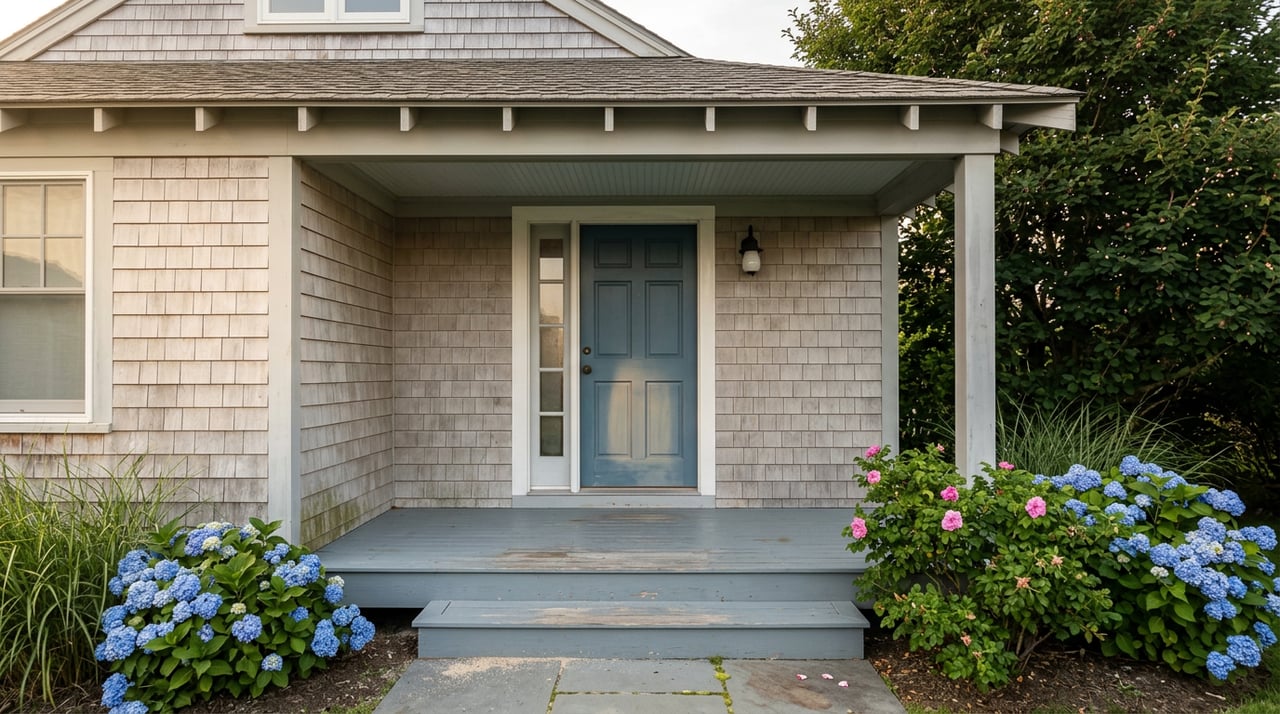
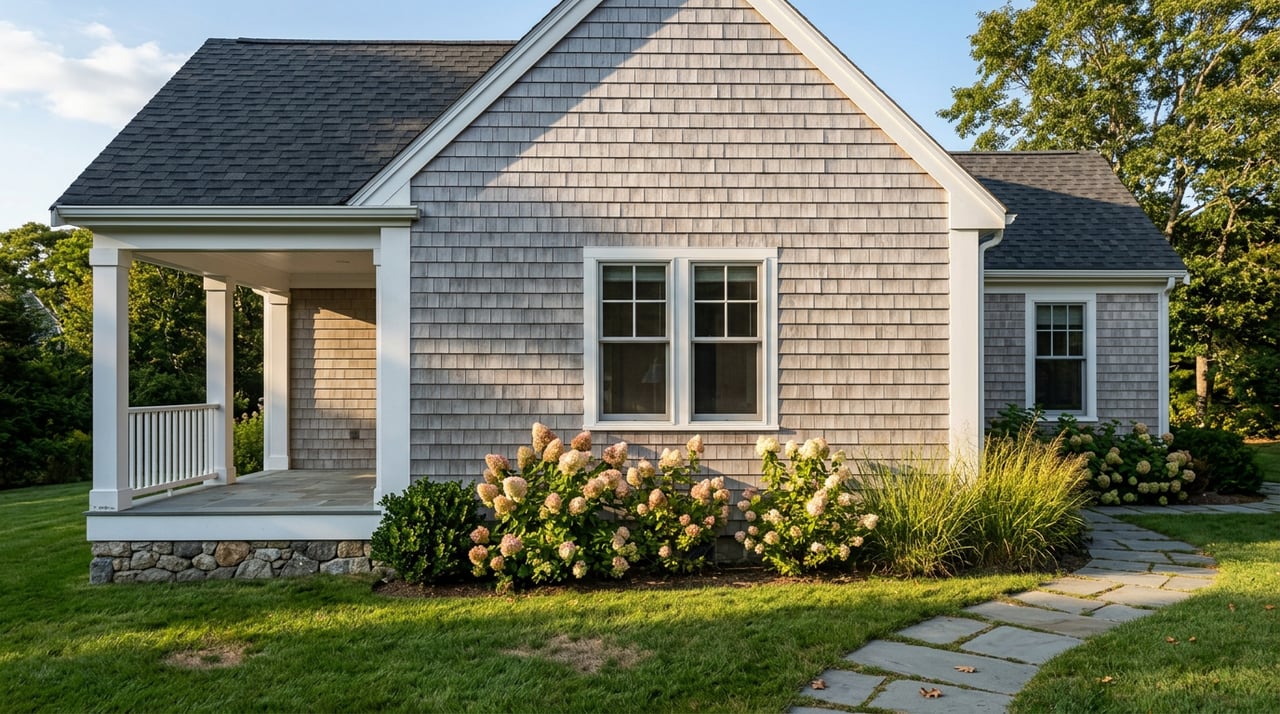
Cape Neddick tends to appeal to buyers who want a classic Southern Maine coastal setting. If you picture shoreline drives, village-scale surroundings, and access to the wider York area, it checks many of those boxes.
It can be especially attractive if you are shopping for a second home or planning a move that prioritizes lifestyle over urban convenience. Buyers looking for a slower coastal rhythm often find that the setting feels like a meaningful change of pace without feeling disconnected from everyday essentials.
Seasonality is one of the biggest factors to understand before you buy. In York, summer activity ramps up sharply, especially from mid-June through Labor Day. Long Sands Beach alone may see 3,000 to 5,000 visitors a day during peak season, and town planning documents note that traffic and parking issues are mostly summertime concerns across York’s villages.
If you love the energy of the Southern Maine coast in summer, that may feel like part of the lifestyle you want. If you prefer quiet roads, easy parking, and fewer visitors, you will want to think carefully about how much of the year you plan to use the home.
York does offer year-round infrastructure, including a 24/7 hospital campus and a K-12 school department. That supports buyers who are considering a permanent move, extended stays, or a home that needs to function well in every season.
Still, year-round living here is not the same as living in a dense service center. York’s planning documents point to issues residents already notice, including unstable internet and wireless service in some areas, seasonal staffing gaps, and winter pressure around snow removal and access. If you work remotely or expect effortless four-season living, those details deserve extra attention.
For many second-home buyers, the answer may be yes, with the right expectations. Cape Neddick fits best if you want a coastal retreat that feels rooted in Southern Maine and you are comfortable with a more seasonal pattern.
That means understanding that the home may feel very different in July than it does in January. The summer months bring activity and demand, while the off-season often brings a quieter, more local pace. Some buyers love that contrast. Others realize they want something with more year-round convenience.
Before you buy a second home in Cape Neddick, it helps to be honest about how you will really use it:
These questions sound simple, but they often shape whether a purchase feels like a dream or a frustration.
If you are thinking about relocating full-time, Cape Neddick can work well if your priorities center on scenery, space, and a coastal setting. It may be a stronger fit if you want to be part of the York area and do not need a dense downtown environment for daily errands or services.
It may be a weaker fit if you want highly predictable utilities, very low-maintenance ownership, or a setting with concentrated services close at hand. Cape Neddick is better understood as a village within a broader coastal town, not as a compact center where everything is around the corner.
One of the most important takeaways for buyers is that utility setup can be highly parcel-specific. You should not assume every home has the same water, sewer, or winter performance profile.
York Water District serves Cape Neddick and the Route 1 corridor, but large areas of Cape Neddick and York Beach are served by seasonal water mains. Some properties outside public water areas rely on private bedrock wells. York also has multiple sewer districts rather than one townwide sewer system.
A home’s utility setup can affect convenience, maintenance, and long-term planning. It can also influence whether the property matches your goals as a seasonal retreat, year-round home, or future resale.
Ask early whether the property is on:
Those are not minor details in a coastal market like this. They are central to understanding how the property functions.
Buying near the coast is different from buying inland. Cape Neddick’s appeal is real, but so are the added responsibilities that come with a coastal location.
Maine Geological Survey identifies storm surge, sea-level rise, erosion, and inlet migration as major coastal hazards. Maine’s Climate Plan reports that the state has already seen about 8 inches of sea-level rise and projects another 1.5 feet by 2050.
Flood risk should be part of your review from the start, not an afterthought. Maine’s Office of Community Affairs says flood insurance is available through the National Flood Insurance Program, all areas are susceptible to flooding, and federally backed mortgages in Special Flood Hazard Areas require flood insurance.
York also provides local flood information, preliminary floodplain maps, and a floodplain management ordinance. For buyers, the practical step is simple: verify whether a property sits in a FEMA flood zone or local floodplain overlay before you get too far down the path.
Coastal conditions can be tough on a house. FEMA’s coastal construction guidance notes that wind-driven rain, corrosion, and decay are frequent concerns, and that coastal homes often require more maintenance, repair, and insurance than inland homes.
In practical terms, that usually means paying close attention to the roof, siding, drainage, and exterior materials. It also means budgeting for periodic inspections and not assuming a coastal property will age the same way an inland home might.
If you are buying with flexibility in mind, this is one of the most important sections to read. Your intended use may depend on rules that vary by property.
York’s comprehensive plan says septic systems near the coast or on the north side of the Cape Neddick River are known to be susceptible to failure. The town also requires septic permits before new installation, replacement, or repair.
Short-term rental use is regulated in York. Zoning treats short-term residential rental as a regulated use requiring CEO approval. If rental income is part of your decision, you should confirm zoning, permit history, and any deed restrictions before you rely on that income in your planning.
That step is especially important for second-home buyers who want the option to offset carrying costs. Not every attractive coastal property will support that strategy.
Cape Neddick sits within a part of Maine where pricing tends to run higher than the state overall. In May 2026, York County’s rolling-quarter median sales price was $522,500, compared with $408,500 statewide. MaineHousing’s statewide analysis also notes that home sale prices are highest in coastal areas, especially Cumberland and York counties.
That does not tell you what any one Cape Neddick property should cost, but it does help frame expectations. Buyers entering this market should be prepared for coastal pricing and should weigh not only purchase price, but also taxes, insurance, maintenance, and utility realities.
York’s current tax rate is $8.25 per $1,000 of valuation, and the assessor says assessed values average about 94% of market value. Those numbers matter when you are comparing a second home with limited use versus a primary home you will enjoy every day.
For many buyers, the real question is not just whether they can buy in Cape Neddick. It is whether they will feel good about owning there over time.
Cape Neddick often fits buyers who value a classic coastal setting and are prepared to do real due diligence. It can be a strong match if you appreciate the wider York network, can live with summer crowding, and understand that coastal ownership usually involves more upkeep.
It may be less ideal if you want a highly walkable service hub, minimal property maintenance, or a simple plug-and-play ownership experience. In other words, Cape Neddick can be wonderful, but it rewards buyers who go in with clear eyes.
If you are serious about Cape Neddick, these are some of the most useful pre-offer questions:
These questions can help you move from a lifestyle idea to a practical buying decision.
Cape Neddick can be a beautiful choice for a second home or a full move, but it is not a one-size-fits-all destination. It tends to work best for buyers who want a true Southern Maine coastal experience and are ready to evaluate utilities, flood exposure, maintenance, and seasonal patterns with care.
If that sounds like you, Cape Neddick may offer exactly the kind of setting you have been looking for. And if you want help weighing specific properties with a local, thoughtful lens, Andi Robinson can help you navigate the details with clarity and confidence.
Get assistance in determining current property value, crafting a competitive offer, writing and negotiating a contract, and much more. Contact us today.