Cape Neddick Coastal Homes: Architecture And Character
June 11, 2026
June 11, 2026
If you are drawn to Cape Neddick, chances are you are not just looking for square footage. You are looking for a home with presence, coastal character, and a setting that feels distinctly Maine. In Cape Neddick, architecture and site are deeply connected, and understanding that connection can help you spot both charm and practical value. Let’s dive in.
Cape Neddick’s visual identity is closely tied to the Nubble section of York’s coast. The Cape Neddick Lighthouse, often called the Nubble, was built in 1879 on a small rocky islet just offshore, and that dramatic coastline still shapes how the area feels today.
York’s comprehensive plan describes the Nubble as roughly one-quarter square mile with more than 650 homes and cottages. The town also notes that the area includes both year-round and seasonal homes, which helps explain the mix of cottage scale, practical updates, and retreat-style houses you see throughout the area.
A big part of Cape Neddick’s character comes from how it developed. Much of the Nubble was subdivided in the 1950s and 1960s into very small lots, often with limited infrastructure. That history still shows up today in the close-knit feel of the streetscape, the compact footprints, and the way many homes make careful use of porches, decks, and view-oriented outdoor areas.
Cape Neddick does not follow just one architectural formula. Instead, it reflects a broader New England coastal vocabulary, with several styles that feel especially at home on this stretch of shoreline.
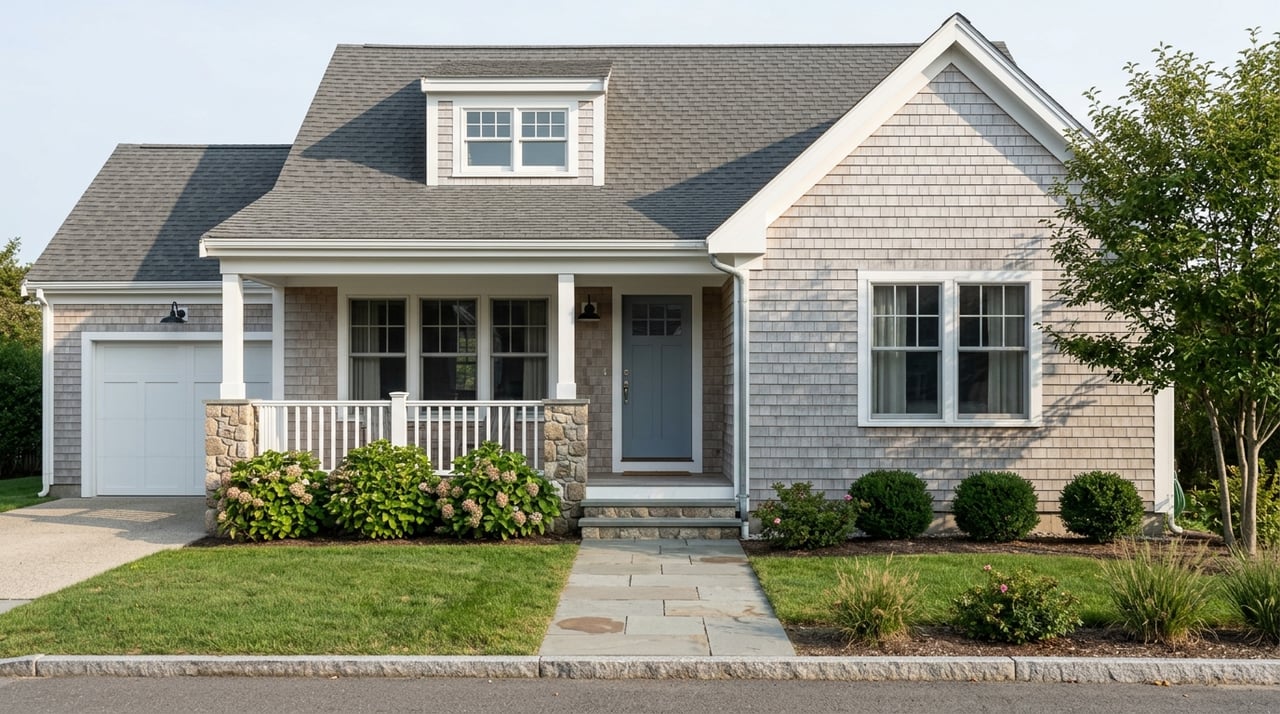
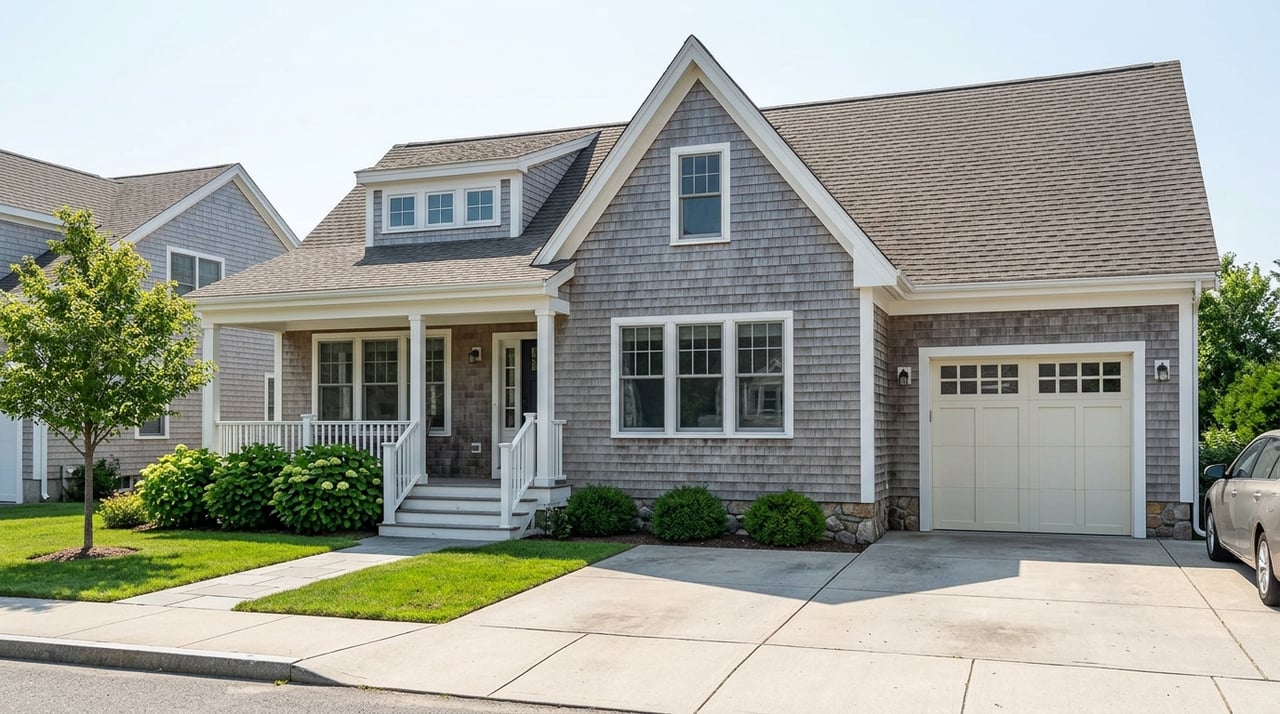
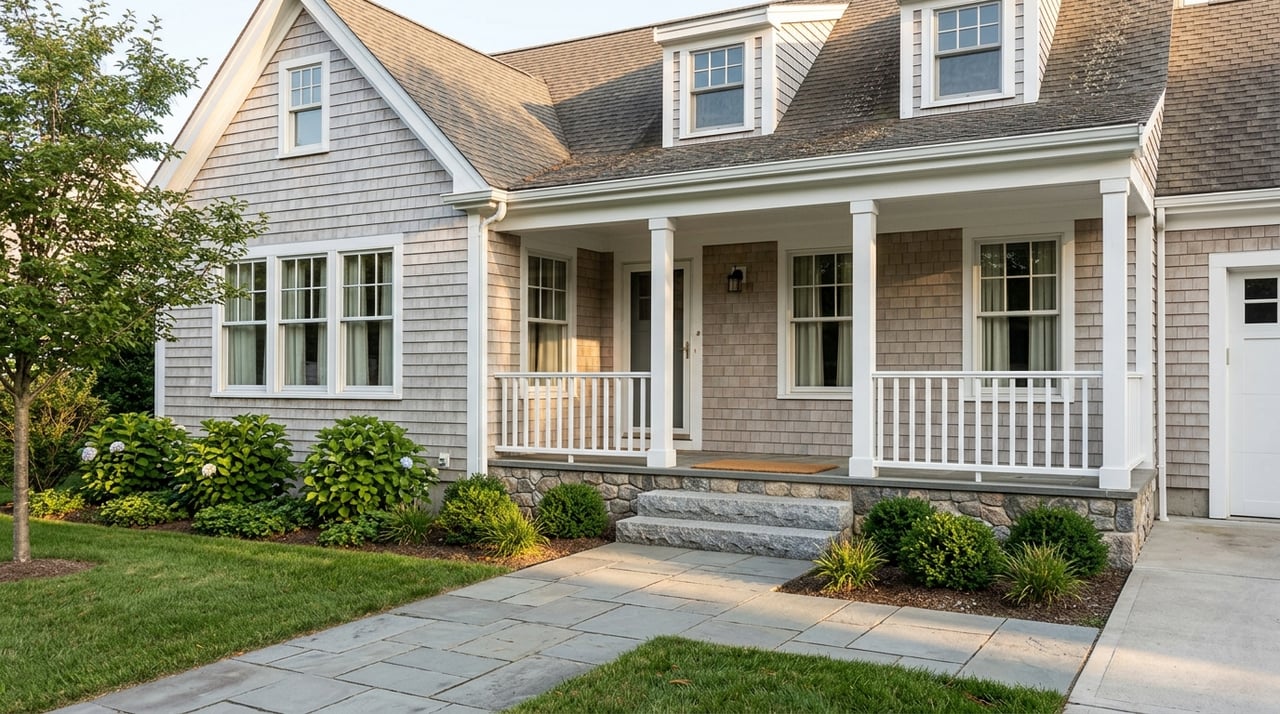
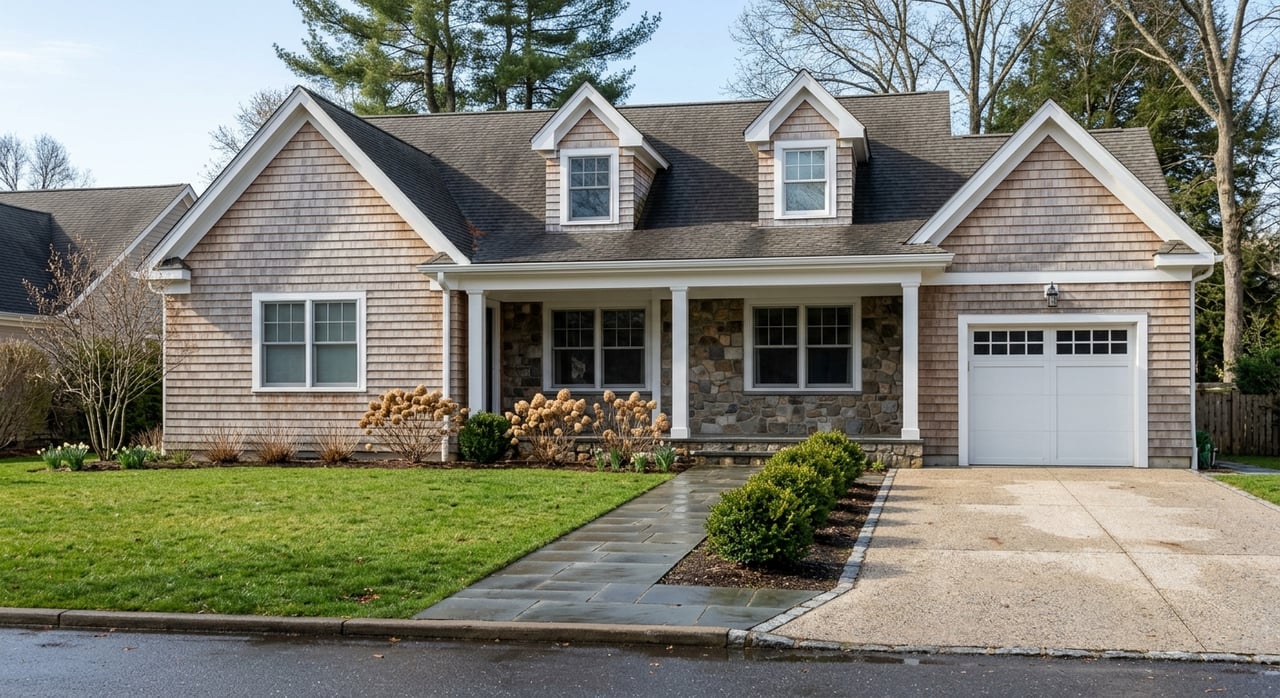
If one style captures the classic image of an elevated coastal retreat, it is Shingle Style. Historic New England describes this style as a distinctly American coastal design language with continuous wood shingles, asymmetrical massing, wide porches, irregular rooflines, and very little added ornament.
In practical terms, Shingle Style homes often feel relaxed, substantial, and shaped by the landscape rather than strictly formal. In Cape Neddick, this style often reads as the architectural shorthand for a larger summer house or a higher-end coastal property that still feels rooted in Maine tradition.
Older and more modest homes in Cape Neddick often borrow from Cape Cod and saltbox traditions. Historic New England notes that a Cape Cod house is typically one-and-one-half stories, two rooms deep, with a steep gable roof, minimal roof overhang, and often a large central chimney.
That straightforward form is part of why these homes still feel timeless. Even when interiors have been renovated or expanded over the years, the original shell often communicates a practical, weather-aware New England sensibility.
Saltbox forms also appear in the region’s architectural vocabulary. A saltbox roof is created when a one-story shed addition extends from the rear of a house, lengthening the back roof plane. In Cape Neddick, that shape often adds to the sense that a home has evolved gradually over time rather than being built all at once.
Colonial Revival also belongs in the local conversation. According to Historic New England, this style remained popular from the late nineteenth century into the mid-twentieth century and often features symmetrical facades and multi-pane sash windows.
In Cape Neddick, Colonial Revival elements tend to show up in homes that feel traditional and year-round in character. You may see balanced front elevations, familiar window patterns, and details that lend a sense of order, even in houses that have been updated well beyond their original form.
One of the most helpful things to understand about Cape Neddick homes is that many prioritize efficiency and adaptation over grand scale. The appeal often comes from proportion, texture, and setting, not oversized rooms.
Older Cape Cod houses often have simple, readable layouts. Historic New England describes them as commonly two rooms deep, often organized around a central chimney or fireplace block.
For you as a buyer, that usually means interiors that feel compact but intuitive. Rooms may be smaller than in newer construction, yet the circulation often makes sense, especially in homes that have been thoughtfully updated for modern use.
Shingle Style homes tell a different interior story. Rather than rigid symmetry, they tend to use more irregular room groupings and varied rooflines to create a looser, more relaxed feeling.
That is part of why two Cape Neddick homes with similar coastal settings can live very differently. One may feel like a snug cottage with a clear historic core, while another may feel like a layered retreat house designed to open up gradually as you move through it.
Many Cape Neddick homes have changed over the years. They are often not preserved as untouched period houses, and that is part of their appeal.
You may find older exteriors paired with newer kitchens, revised bedroom layouts, or updated systems. In this market, character often comes from the way a house has been adapted for year-round living while still keeping the parts that give it coastal identity.
In Cape Neddick, outdoor space is not always about a broad lawn. It is often about how the house extends outward in smaller, purposeful ways.
York’s planning documents note the Nubble’s pattern of very small lots, and the town’s shoreland zoning adds another layer. Residential tidal shore lots in the Shoreland Overlay District require substantial minimum lot area and shore frontage, and principal and accessory structures in the Limited Residential Subdistrict must be set back 100 feet from the normal high water mark.
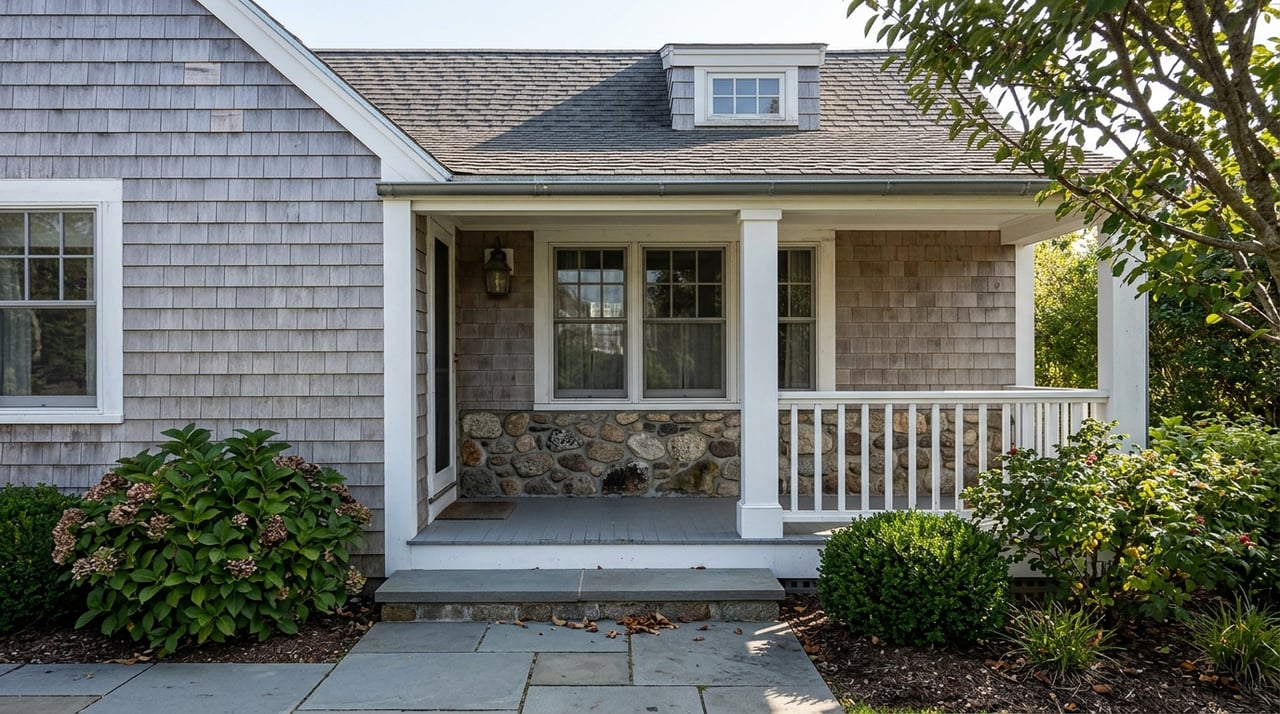
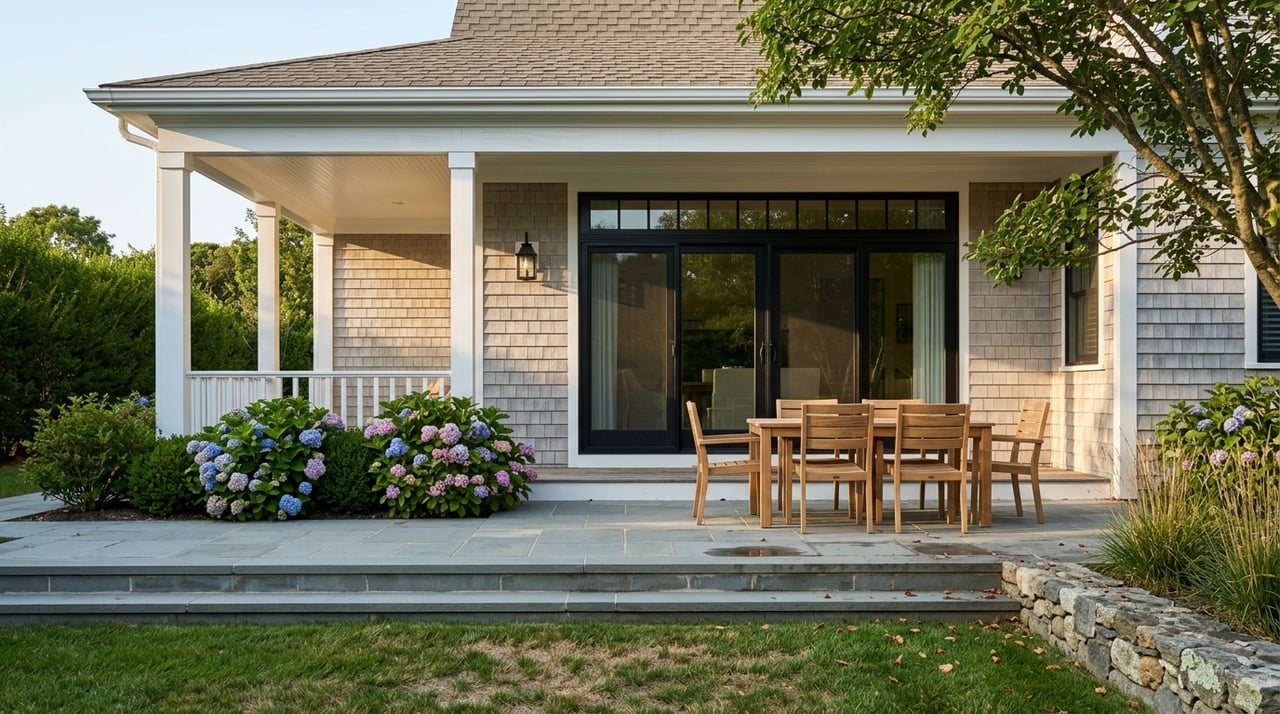
Taken together, those conditions help explain why many homes use porches, decks, terraces, screened areas, and sitting spaces as important outdoor rooms. In Cape Neddick, the best exterior spaces are often the ones that make the most of light, breeze, and views within the realities of the site.
Cape Neddick offers real renovation potential, but this is not a market where you can look at the house alone. The lot, the setbacks, and the infrastructure can be just as important as the floor plan.
York’s shoreland rules require permits for many shoreline uses and changes. The zoning ordinance also identifies unstable coastal bluffs as Resource Protection areas because of erosion or mass movement, which makes siting and grading especially important on exposed lots.
For buyers, that means renovation plans should begin with the property’s physical and regulatory context. Before you focus on expansions or dramatic exterior changes, it is wise to understand what the site can realistically support.
York’s comprehensive plan notes that some lots in the Nubble historically dealt with poor drainage, limited services, and the absence of public water or sewer until later extensions improved conditions. The town also says redevelopment is increasingly happening, but infrastructure and drainage issues remain part of the area’s character.
That matters because a home’s upside may depend on work that is not immediately visible. Improving drainage, updating systems, and solving circulation issues can be just as important as cosmetic renovation in creating long-term value.
Historic New England advises that original exterior siding should not be replaced unnecessarily, and it notes that well-chosen storm windows can help protect original windows from wind, water, and sun. That guidance fits Cape Neddick especially well.
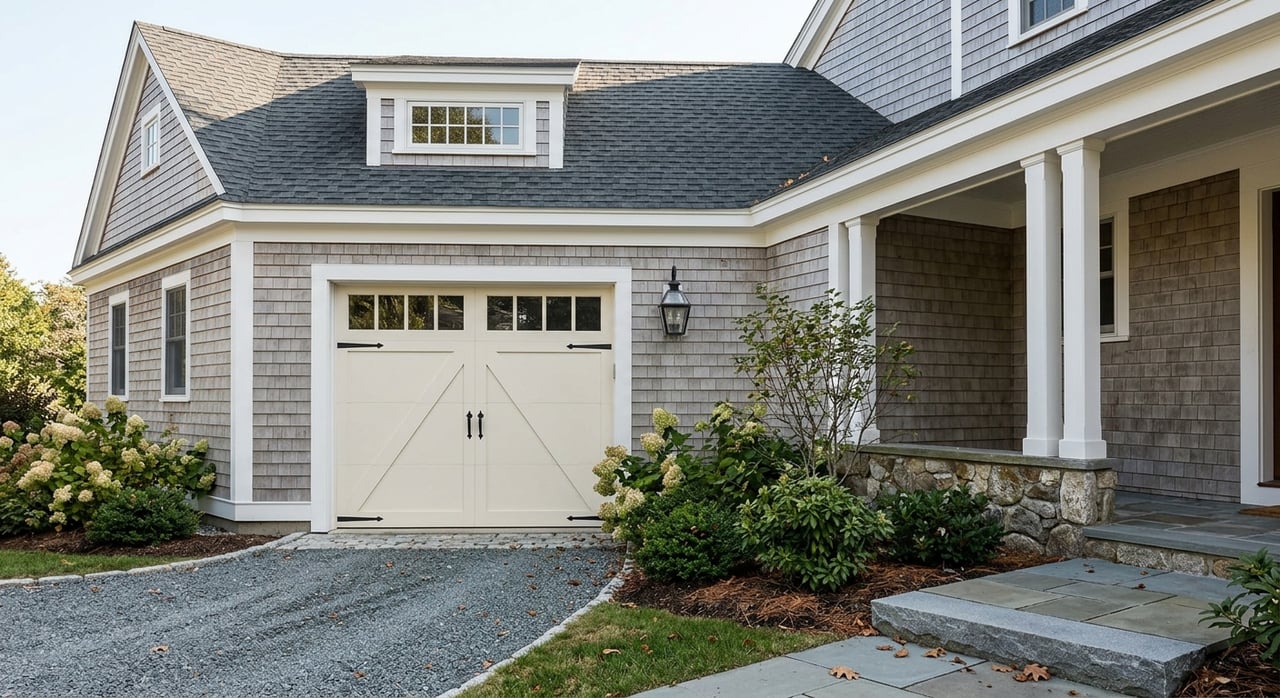
Many of the area’s most compelling homes are not about making everything new. They are about preserving the shingled shell, porch rhythm, and weathered coastal texture while improving comfort and function for modern living.
When you tour homes in Cape Neddick, it helps to look beyond style labels. Character often shows up in a few repeat elements that connect the home to its setting.
Look for features like:
These details can tell you a lot about how a home fits into Cape Neddick’s architectural story. They can also help you separate surface charm from lasting design value.
For buyers, understanding Cape Neddick’s housing character can help you make smarter comparisons. A compact cape, a Colonial Revival-influenced year-round house, and a larger Shingle Style retreat may all serve very different goals, even when they share the same coastal setting.
For sellers, this architectural context can shape how a home should be presented. In a market where provenance, scale, and setting matter, the strongest marketing often highlights not just finishes, but also the home’s form, evolution, and relationship to the site.
Cape Neddick rewards a thoughtful eye. If you are buying or selling here, understanding the area’s architecture can give you a clearer sense of what makes a property distinctive, what may need careful planning, and what gives a home its lasting appeal.
If you are thinking about buying or selling along the Southern Maine coast, Andi Robinson offers the kind of local, high-touch guidance that helps you evaluate character, positioning, and potential with confidence.
Get assistance in determining current property value, crafting a competitive offer, writing and negotiating a contract, and much more. Contact us today.